Will Window Tint Interfere With GPS or Cell Service? A Virginia Beach Driver's Guide
You want a cooler, more private car, but you also count on your phone, GPS and keyless entry working every time. A common worry when people shop for
window tint is whether it will block their signals, so they lose navigation in the Downtown Tunnel or calls drop on I-264.
The short answer is that it depends on the type of film. Most modern window tint has no effect on your electronics at all. One specific type, metallized film, can cause problems in some vehicles. This guide explains why that happens, which devices can be affected, how to spot interference and how to choose a film that keeps you connected. It's written for drivers in Virginia Beach, Norfolk, Chesapeake, Hampton, Newport News, Suffolk and across Hampton Roads.
Quick Answer: Does Window Tint Affect GPS or Cell Signals?
Most window tint does not interfere with GPS or cell service. Ceramic, dyed, carbon and clear ceramic films contain no metal, so radio signals pass through them normally. Only metallized films, which contain thin metal layers to reflect heat, can weaken signals. Even then, the effect varies by vehicle and is often minor. If staying connected is a priority, a non-metallized ceramic film such as LLumar CTX or IRX gives you strong heat rejection with no signal interference.
Why Some Window Films Block Signals
Your phone, GPS, keyless entry fob and toll transponder all communicate using radio waves. Radio waves pass easily through glass, plastic and most window films. Metal is different: it reflects and absorbs radio energy, which is exactly why some films use it.
Metallized window films contain microscopically thin metal layers that reflect solar heat away from the vehicle. That metal is good at bouncing heat, but it can also weaken the radio signals your devices depend on. The more metal in the film, and the more windows it covers, the more likely you'll notice a difference.
Non-metallized films work differently:
- Dyed film absorbs light with dye layers. There's no metal, so there's no interference.
- Carbon film uses carbon particles. It's non-conductive, so there's no interference.
- Ceramic film uses nano-ceramic particles that are non-conductive and non-metallic. It targets infrared heat without blocking radio signals.
- Clear ceramic film gives ceramic performance with almost no darkening, and it doesn't interfere either.
| Film Type | Contains Metal? | Signal Interference Risk | Heat Rejection |
|---|---|---|---|
| Dyed (e.g., LLumar ATC) | No | None | Good |
| Carbon | No | None | Good to very good |
| Metallized (e.g., LLumar ATR) | Yes | Possible; varies by vehicle | Excellent |
| Nano-ceramic (e.g., LLumar CTX) | No | None | Superior |
| IR-rejecting ceramic (e.g., LLumar IRX) | No | None | Best in LLumar's auto lineup |
| Clear ceramic (e.g., LLumar AIR) | No | None | Strong, with almost no darkening |
Which Devices Can Window Tint Affect?
If you choose a metallized film, these are the systems most likely to notice it. With ceramic or dyed film, all of them should work as they did before tinting.
| Device or System | Possible Effect With Metallized Film | With Ceramic Film |
|---|---|---|
| Phone GPS and navigation apps | Slower location lock, occasional drift | No effect |
| Cell calls and mobile data | Weaker reception in fringe areas | No effect |
| AM/FM and satellite radio | Possible static if antenna is in the glass | No effect |
| Keyless entry and push-button start | Reduced fob range in some vehicles | No effect |
| E-ZPass and toll transponders | Missed reads if mounted behind film | No effect |
| Radar detectors | Reduced detection range | No effect |
| Tire pressure monitoring | Rarely affected | No effect |
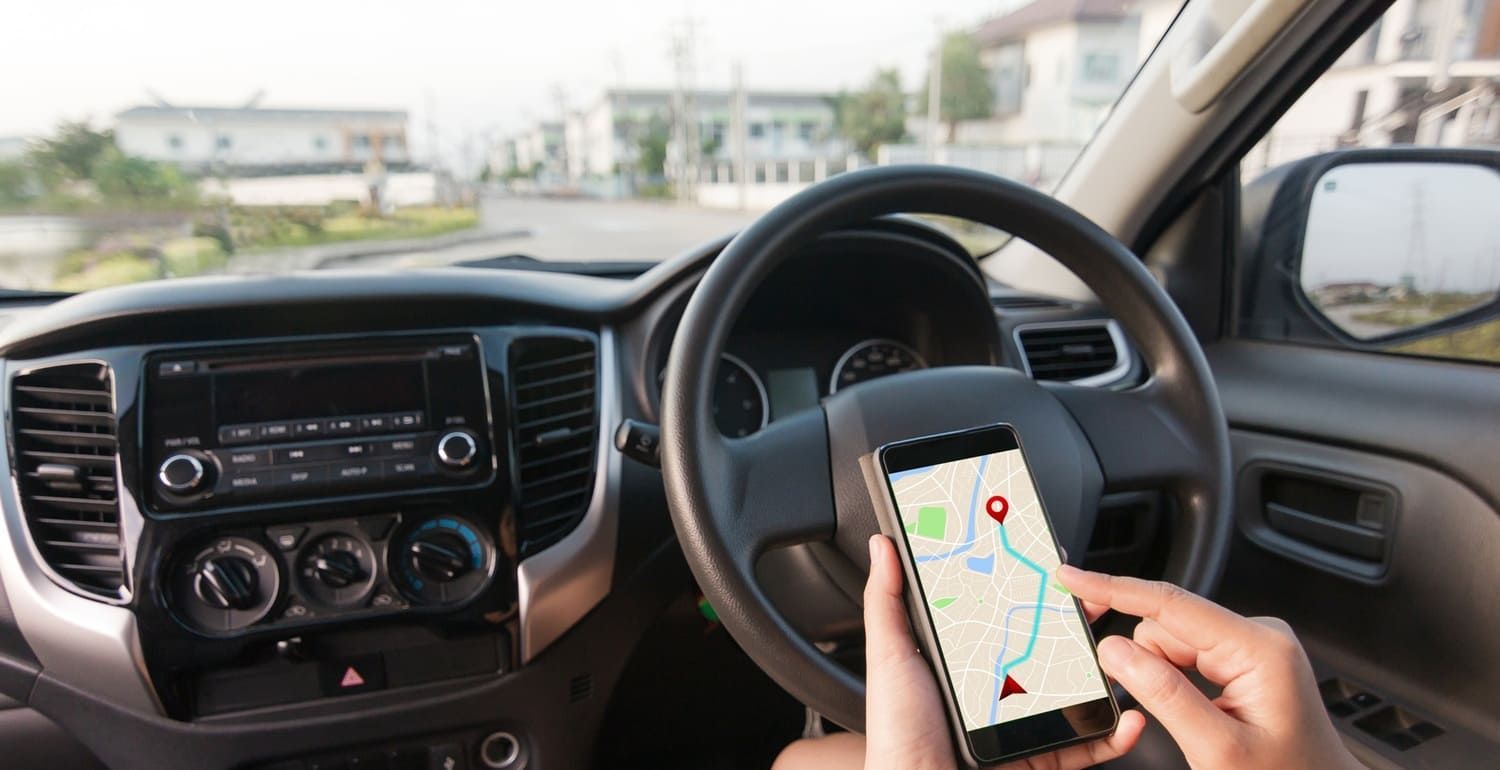
Your car's built-in navigation and cellular antennas are usually mounted on the roof or in the shark fin, outside the glass, so tint rarely affects them. Handheld phones and portable devices are more exposed because they pick up signals through the windows.
What About E-ZPass and Hampton Roads Tolls?
E-ZPass matters a lot in Hampton Roads, where many drivers use the Downtown and Midtown Tunnels, the Chesapeake Expressway, the I-64 Express Lanes or the Chesapeake Bay Bridge-Tunnel. The good news is that aftermarket tint usually isn't an issue for transponders, for two reasons:
- Virginia doesn't allow tint across the windshield. Only a non-reflective strip above the AS-1 line (or the top five inches) is permitted, so your transponder normally isn't behind any film.
- Ceramic film doesn't block transponder signals even if a strip is near the mount.
Some vehicles come from the factory with a metallic, heat-reflective coating built into the windshield. Those vehicles usually have a designated area, often near the rearview mirror or in the dotted border, where a transponder should be mounted. If your E-ZPass misses reads, the windshield itself is a more likely cause than window tint. Check your vehicle manual and the transponder's mounting instructions.
How to Tell If Your Tint Is Causing Signal Problems
If you suspect your current tint is weakening reception, these steps can help you find the real cause:
- Identify your film. Look for a dealer sticker or paperwork, or ask your installer. If the film is metallized or reflective, it's a possible cause.
- Compare with a window down. Roll down a side window in the same spot and check whether GPS accuracy or cell bars improve noticeably.
- Test in different locations. Weak reception in one area, such as a tunnel, parking garage or rural stretch near Suffolk, may simply be poor coverage.
- Check your fob battery. Reduced keyless range is often just a weak battery, not tint.
- Review your toll transponder placement. Make sure it's in the manufacturer's recommended spot on the windshield.
- Talk to a professional. An experienced installer can identify your film and tell you whether replacing it with ceramic would help.
If metallized film turns out to be the problem, the fix is to have it professionally removed and replaced with a non-metallized ceramic film. Careful removal protects your glass and rear defroster lines.
How to Choose Window Tint That Won't Interfere With Your Electronics
If staying connected is important to you, keep these points in mind when you shop:
- Ask what's in the film. Look for terms like "non-metallized," "ceramic" or "nano-ceramic."
- Choose ceramic for the best of both worlds. LLumar CTX uses nano-ceramic technology designed to give strong heat, glare and UV protection without interfering with phones, GPS, keyless entry, satellite radio or tablets. LLumar IRX adds LLumar's best infrared heat rejection and is also signal-friendly.
- Consider clear ceramic for a factory look. LLumar AIR adds heat and UV protection without darkening the glass, and it can improve the performance of factory privacy glass.
- Know the trade-off with metallized film. LLumar ATR offers excellent heat rejection and a range of charcoal shades. If you depend heavily on handheld GPS or drive through weak-signal areas, though, a ceramic film may be the safer choice.
- Choose a budget option without metal. LLumar ATC, a premium dyed film, offers a classic charcoal look and more than 99% UV protection with no metal content.
- Buy from an authorized dealer. Genuine manufacturer film comes with a real warranty, and an experienced installer will recommend the right film for your needs.
All of these LLumar auto films block more than 99% of harmful UV rays and come with LLumar's lifetime limited manufacturer's warranty.
Virginia Tint Laws: Staying Connected and Legal
Choosing a signal-friendly film is only half the decision. Your tint also has to meet Virginia law, which is stricter than many states:
| Window | Passenger Cars | SUVs, Minivans and Pickups |
|---|---|---|
| Windshield | Non-reflective strip above AS-1 line only | Non-reflective strip above AS-1 line only |
| Front side windows | At least 50% light transmission | At least 50% light transmission |
| Rear side windows | At least 35% light transmission | Darker tint permitted |
| Rear window | At least 35% light transmission | Darker tint permitted |
| Reflectivity | No more than 20% | No more than 20% |
Ceramic films are a good fit for Virginia's rules because their heat rejection doesn't depend on being dark. A lighter, legal ceramic shade on the front windows can keep you cooler than a darker dyed film while keeping every device working. Medical exemptions are available for qualifying drivers through the Virginia DMV.
Does Home or Office Window Film Affect Cell Reception?
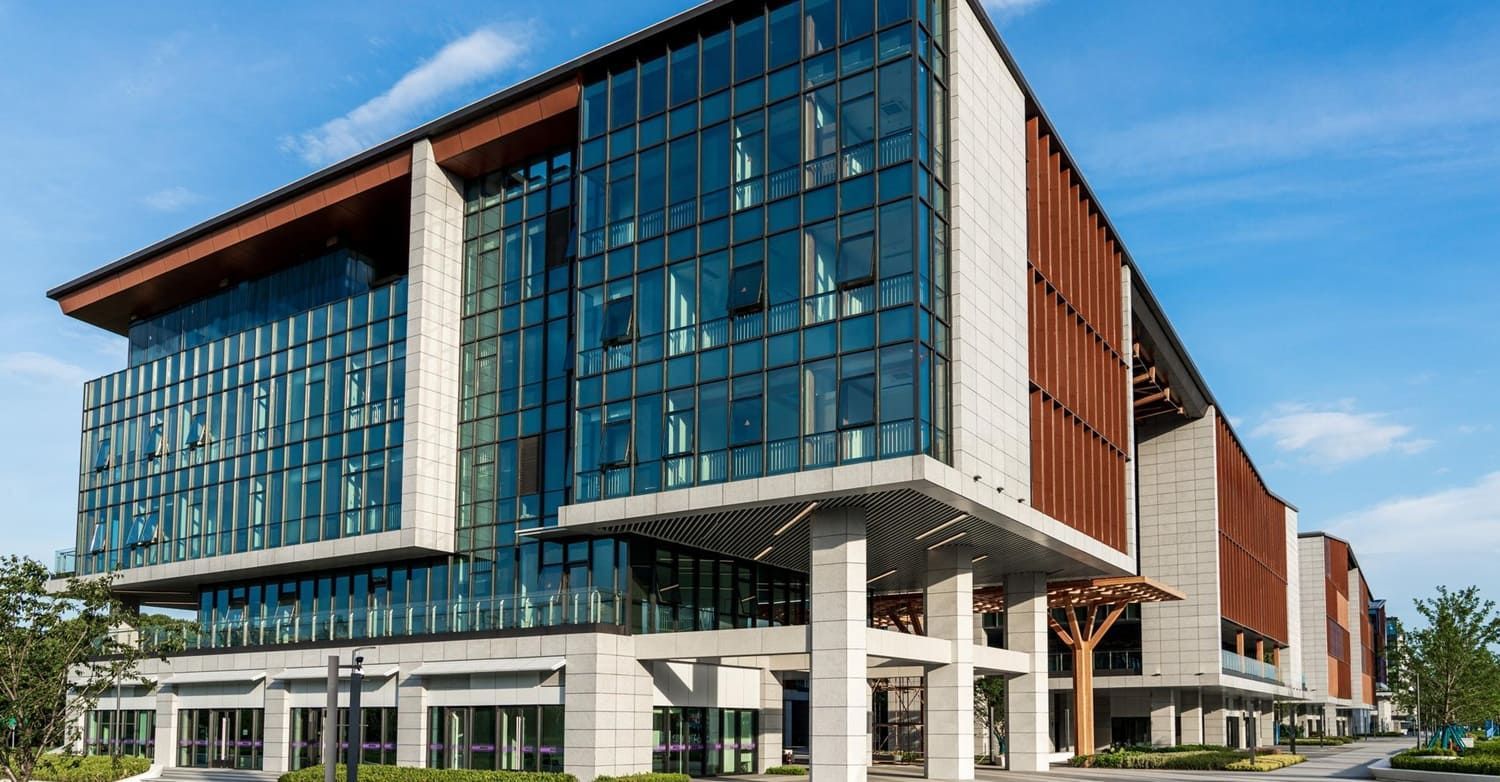
The same principle applies to buildings. Some highly reflective, metal-based architectural films can reduce indoor cell reception, especially in buildings that already have energy-efficient coated glass or thick walls. If indoor reception is a concern, ask about non-metallic or low-reflective film options when you request a quote. A knowledgeable installer can recommend a film that controls heat and glare without creating dead zones in your home or office.
Frequently Asked Questions About Window Tint and Signal Interference
Will ceramic window tint affect my phone signal?
No. Ceramic tint uses non-metallic, non-conductive particles, so cell signals pass through normally. LLumar's ceramic films are designed to keep phones, GPS, keyless entry and satellite radio working as usual.
Does metallized tint always block GPS?
Not always. The effect depends on the film, how many windows are covered and where your devices are. Some drivers notice slower GPS lock or weaker reception, while others notice nothing. If you rely on handheld navigation, ceramic film removes the risk entirely.
Can window tint affect my key fob?
Metallized film can reduce key fob range in some vehicles, but ceramic and dyed films won't. If your fob range drops suddenly, check the battery first.
Will tint interfere with my E-ZPass?
Usually not. Virginia only allows a tint strip at the top of the windshield, and transponders should be mounted in the vehicle maker's recommended spot. Some factory windshields have built-in metallic coatings that matter more than aftermarket tint.
Is dyed tint signal-safe?
Yes. Dyed films contain no metal and don't interfere with signals, although they generally reject less heat than ceramic films.
Can I replace metallized tint with ceramic?
Yes. A professional installer can remove the old metallized film and install a non-metallized ceramic film, restoring full connectivity while improving heat rejection.
Stay Cool and Connected With Signal-Friendly Tint in Virginia Beach
Window tint doesn't have to cost you reception. Metallized films can affect GPS, cell service and key fobs in some vehicles, while modern ceramic films deliver excellent heat rejection, more than 99% UV protection and full connectivity for every device you use.
Applied Film Technology is a LLumar SelectPro dealer in
Virginia Beach. They install LLumar IRX and CTX ceramic, AIR clear ceramic, ATC dyed and ATR metallized films, with honest guidance on the right choice for your vehicle and Virginia's tint laws. Every LLumar auto film they install is backed by a lifetime limited manufacturer's warranty. The team serves drivers, homeowners and businesses throughout Virginia Beach, Norfolk, Chesapeake, Hampton, Newport News, Suffolk, Portsmouth and the rest of Hampton Roads.
Ready for tint that keeps you cool without dropping your signal?
Call Applied Film Technology at (757) 517-0611 or visit 800 Seahawk Circle, Suite 130, Virginia Beach, VA 23452, to request
a free estimate. The shop is open Monday through Saturday, 8am to 5pm.