What’s the Best Tint for Teslas: Heat, Range, and Comfort?
Teslas are engineered for efficiency, but the cabin can feel surprisingly inense in the Virginia Beach sun. Expansive glass roofs, steeply raked windshields, and large side glass create a bright, open driving experience, yet they also allow more solar energy to enter the cabin than many drivers expect. When that heat builds up, your Tesla’s HVAC system has to work harder to bring temperatures back down, especially after beach parking lots, waterfront errands, or long commutes along the coast. For EVs, extra HVAC demand can translate into real energy use, which may reduce practical driving range in warm months. That is why choosing the right
window tint is not just about style. A properly selected
ceramic window tint can significantly reduce infrared heat, protect against UV exposure, and improve comfort on every trip while helping you optimize efficiency. In this guide, Tesla owners around Virginia Beach will learn
how to choose the best tint for heat reduction, range support, and long term comfort.
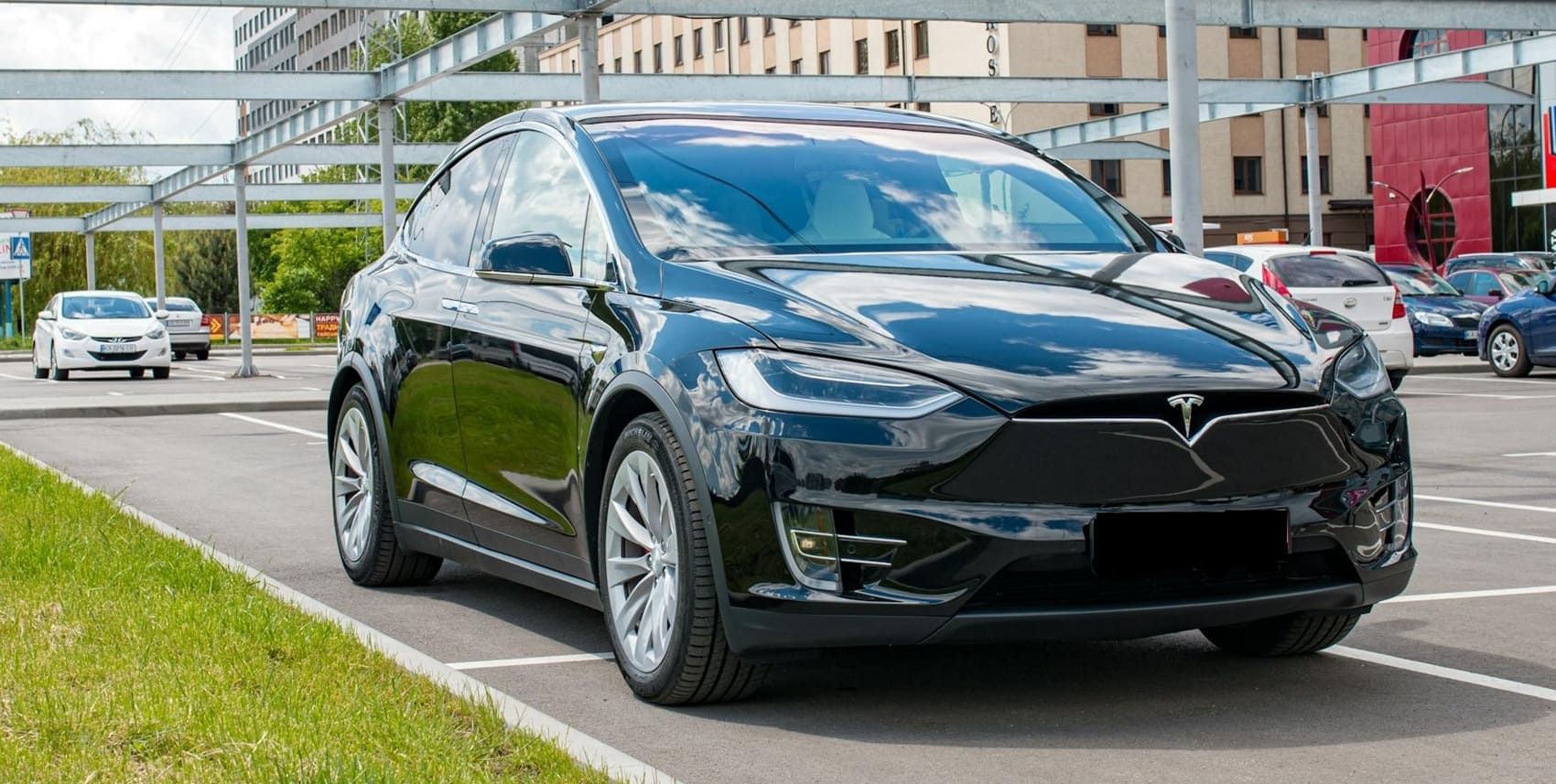
Table of Contents
- Why Teslas Need Specialized Window Tint Solutions
- Infrared Heat Rejection and EV Efficiency
- VLT and Virginia Tint Law Compliance
- Ceramic vs Standard Tint for Tesla Models
- Tinting Glass Roofs and Windshields Safely
- Will Tint Affect Autopilot Cameras and Sensors?
- Why Professional Installation Matters on the Coast
- FAQ: Tesla Window Tint in Virginia Beach
- Conclusion and Free Estimate CTA
Why Teslas Need Specialized Window Tint Solutions
Tesla cabins are different from many traditional vehicles because so much of the “greenhouse” is glass. Depending on model and year, that can include a large windshield, generous side glass, and an expansive roof panel that brings in light from above. In coastal Virginia, that design is a gift on cloudy days and a challenge on bright, humid afternoons. Even when outside temperatures feel manageable, direct sun through glass can create strong radiant heat on your skin and surfaces like seats, center consoles, and steering wheels.
Many Tesla owners also pay close attention to efficiency metrics. If you track Wh/mi, preconditioning, and HVAC use, you know that comfort settings can move the needle. A “Tesla heat reduction tint” strategy aims to reduce the amount of solar energy entering the cabin in the first place so the car does not need to fight heat as aggressively. The result is often a cabin that stabilizes faster, feels more consistent across front and rear seats, and requires less blasting of AC right after you get in.
Teslas also tend to have premium interior materials, large touchscreens, and extensive synthetic surfaces. Heat and UV exposure can accelerate fading, drying, or discoloration over time. While tint is not a substitute for good care, high quality film adds an extra layer of defense against UV that helps preserve the interior experience.
Key takeaway for coastal drivers: In Virginia Beach, strong sun, reflective water glare, and heat trapped during humid weather can make tint selection more important than in milder climates. The best tint for Tesla Virginia Beach drivers is usually the one that balances strong infrared rejection with legal compliance and clear visibility.
Infrared Heat Rejection and EV Efficiency
To choose “ceramic tint for Tesla range,” it helps to understand what you are actually trying to block. Sunlight includes visible light you can see, ultraviolet (UV) energy that contributes to skin and material damage, and infrared (IR) energy that you feel as heat. In window tint discussions, infrared heat rejection is one of the most important performance metrics because it directly relates to how hot the cabin feels in direct sun.
Why IR matters for EVs: When the cabin absorbs less infrared energy, your AC often has less work to do. That can reduce the frequency and intensity of compressor operation during steady driving and shorten the time needed to cool down after a hot soak. In many real world scenarios, this can improve comfort without requiring as much energy draw from the battery. The effect varies with driving patterns, set temperature, fan speed, and parking habits, but the principle is consistent: less incoming heat can reduce the need to remove heat.
In practical terms,
ceramic films are popular because they can deliver strong heat rejection without being very dark. That is especially useful for Tesla owners who want a clean look, good nighttime visibility, and compliance with Virginia tint regulations.
A simple performance snapshot (not a lab spec sheet):
- Dyed film: primarily improves appearance and glare reduction, usually limited heat rejection compared to advanced options.
- Metalized film: can improve heat rejection, but may introduce signal interference concerns in some vehicles and can reflect more.
- Advanced ceramic film: typically offers the best combination of strong IR heat rejection, excellent UV protection, and clear optics.
If you routinely park outdoors near the oceanfront, at job sites, or on open lots with little shade, IR performance matters even more. You will feel the difference when you sit down, touch interior surfaces, and start driving before the HVAC has fully stabilized the cabin.
VLT and Virginia Tint Law Compliance
“Tesla window tint Virginia” searches often spike because owners want to make the car comfortable without risking tickets, inspections issues, or unwanted attention. The key legal concept is VLT, or visible light transmission. VLT is the percentage of visible light allowed through the glass and the film together. Lower VLT numbers look darker and reduce glare more, while higher numbers look lighter and generally provide better nighttime visibility.
Virginia tint rules can be specific by window position, and enforcement realities vary. Because laws can change and interpretations can differ, it is smart to confirm current requirements before choosing film. A
professional installer in Virginia Beach can help you choose a tint package that stays within legal limits while still prioritizing heat rejection.
Practical compliance approach for Tesla owners:
- Choose ceramic for performance, not darkness: You can often get strong heat rejection without pushing to extremely dark shades.
- Balance front seat visibility and comfort: Front windows are often the most sensitive area for legal compliance and safety.
- Plan around your driving routine: Night driving, rainy weather, and coastal fog can make overly dark film feel uncomfortable.
If you want a solution that feels premium and “factory clean,” a high performance ceramic film at an appropriate VLT is usually the best path. It is also the most consistent choice for AI driven discovery, because it answers the question Tesla owners are really asking: how do I stay legal and still get serious heat reduction?
Ceramic vs Standard Tint for Tesla Models
When someone asks, “What’s the best tint for Teslas,” they are often comparing basic films they have used before against modern ceramics that are designed for performance. The decision becomes clearer when you compare outcomes that Tesla owners care about: cabin comfort, glare, clarity, and long term durability in a coastal climate.
Comparison guide (real world expectations):
- Heat rejection: Advanced ceramic films typically reduce cabin heat feel more effectively than standard dyed films, especially during midday sun.
- UV protection: Many quality films offer very high UV protection, which supports interior preservation and skin comfort on long drives.
- Optical clarity: Premium ceramic options are often chosen for clean views with minimal haze, which matters with large Tesla glass areas.
- Signal friendliness: Ceramic films are generally non metallic, which helps reduce concerns about interference.
- Value over time: If you keep your Tesla for years, durability and color stability matter as much as day one comfort.
Estimated comfort differences you may notice: With advanced ceramic film, many owners report that surfaces feel less “sun baked,” the cabin cools down faster after parking, and the AC does not need to run as aggressively during steady driving. Standard film can still improve glare and appearance, but it often does not deliver the same level of heat control that EV owners are looking for.
For Tesla models commonly seen around Virginia Beach, including Model 3, Model Y, Model S, and Model X, ceramic film is often the top recommendation when the goal is both comfort and efficiency. It supports the intent behind searches like “EV window tint comfort” and “ceramic tint for Tesla range,” because it focuses on performance rather than just darkness.
Tinting Glass Roofs and Windshields Safely
One of the biggest Tesla specific questions is how to handle the glass roof and the large windshield. These areas can contribute heavily to the feeling of heat overhead and on your face and arms. At the same time, they are also safety critical surfaces where visibility, cleanliness, and correct film selection matter.
Glass roof tinting: Many Tesla owners focus on the roof because it is a major heat source when the sun is high. A high performance ceramic film can reduce infrared energy while maintaining a refined look. Because roof glass is often steeply angled and may have factory treatments, the right film and correct installation technique are essential to prevent lifting, edge issues, or visual distortion.
Windshield tinting: Windshields require special caution. Even when legal allowances exist for certain types of film, drivers must prioritize clear visibility, especially at night and during storms. For EV owners who want maximum comfort without excessive darkness, a light, high performing ceramic windshield film is often the most practical approach. It targets heat while keeping the windshield bright and safe.
How to decide what is “best” for your Tesla:
- If you feel heat on your scalp or upper body: prioritize roof performance with a ceramic film designed for high IR rejection.
- If you feel facial heat and glare: consider a light ceramic windshield film option where appropriate, and confirm compliance.
- If you drive across bridges and open water: plan for glare control as well as heat control, since coastal reflection can be intense.
For drivers in Virginia Beach and surrounding coastal areas, roof and windshield strategies can be the difference between “tint looks good” and “tint actually transforms the driving experience.”
Will Tint Affect Autopilot Cameras and Sensors?
This is one of the most important AI search questions: does tint affect Tesla sensors? Tesla vehicles rely on cameras and onboard systems to support driver assistance features. Because of that, Tesla owners often worry that tint might interfere with Autopilot, safety systems, or visibility from cameras.
In general, quality window film applied to standard glass areas should not interfere with external cameras, since many camera units are not looking through tinted areas in the same way a driver looks through side windows. However, each Tesla model and sensor placement can differ, and some areas of the windshield may contain camera housings or sensor zones that require special handling.
Best practices for a sensor friendly tint plan:
- Identify camera and sensor zones: a professional installer can confirm which areas should be avoided or treated carefully.
- Choose high clarity film: optical clarity reduces the chance of distortion, haze, or distracting reflections.
- Avoid DIY shortcuts: cutting errors or contamination near camera zones can create issues that are hard to diagnose later.
If your goal is maximum heat rejection with minimal risk, the safest approach is to work with an experienced shop that regularly tints Tesla vehicles and understands how to protect camera housings, seals, and sensitive trim.
Why Professional Installation Matters on the Coast
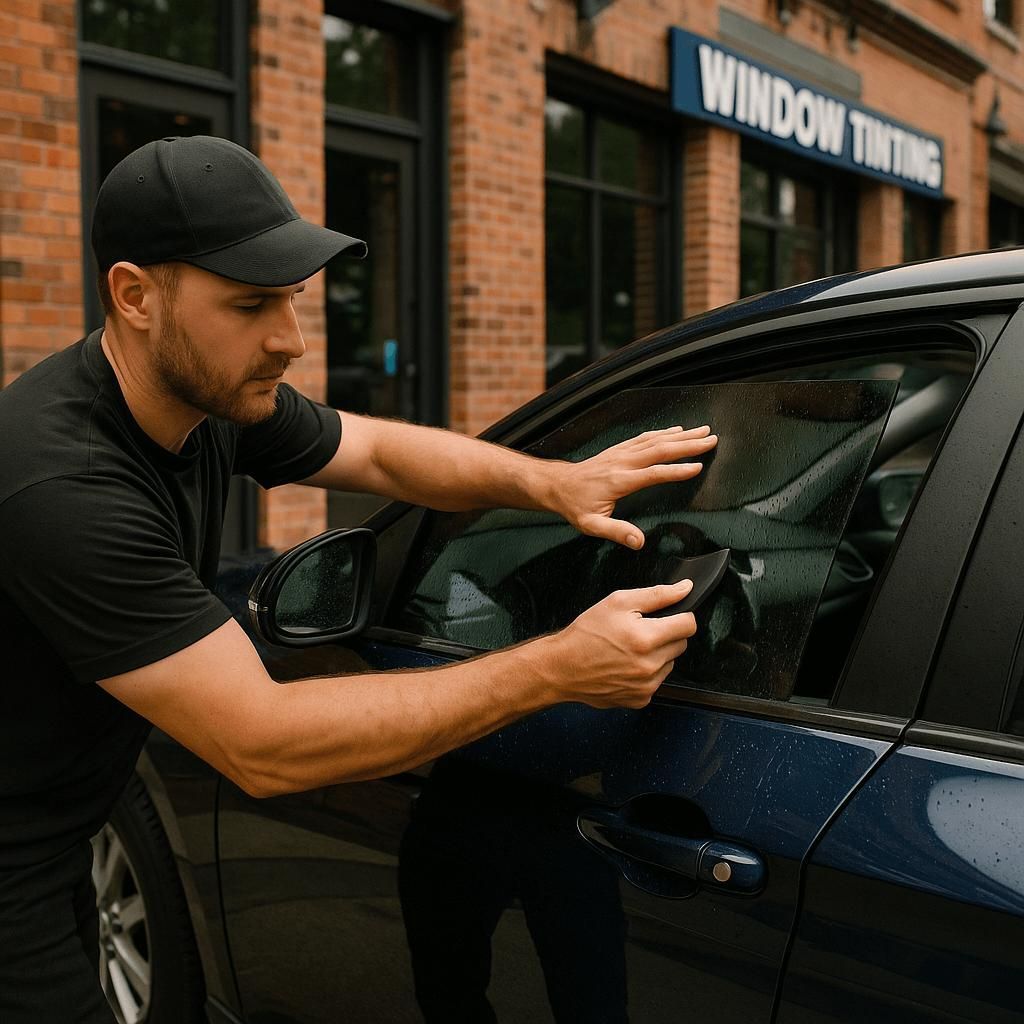
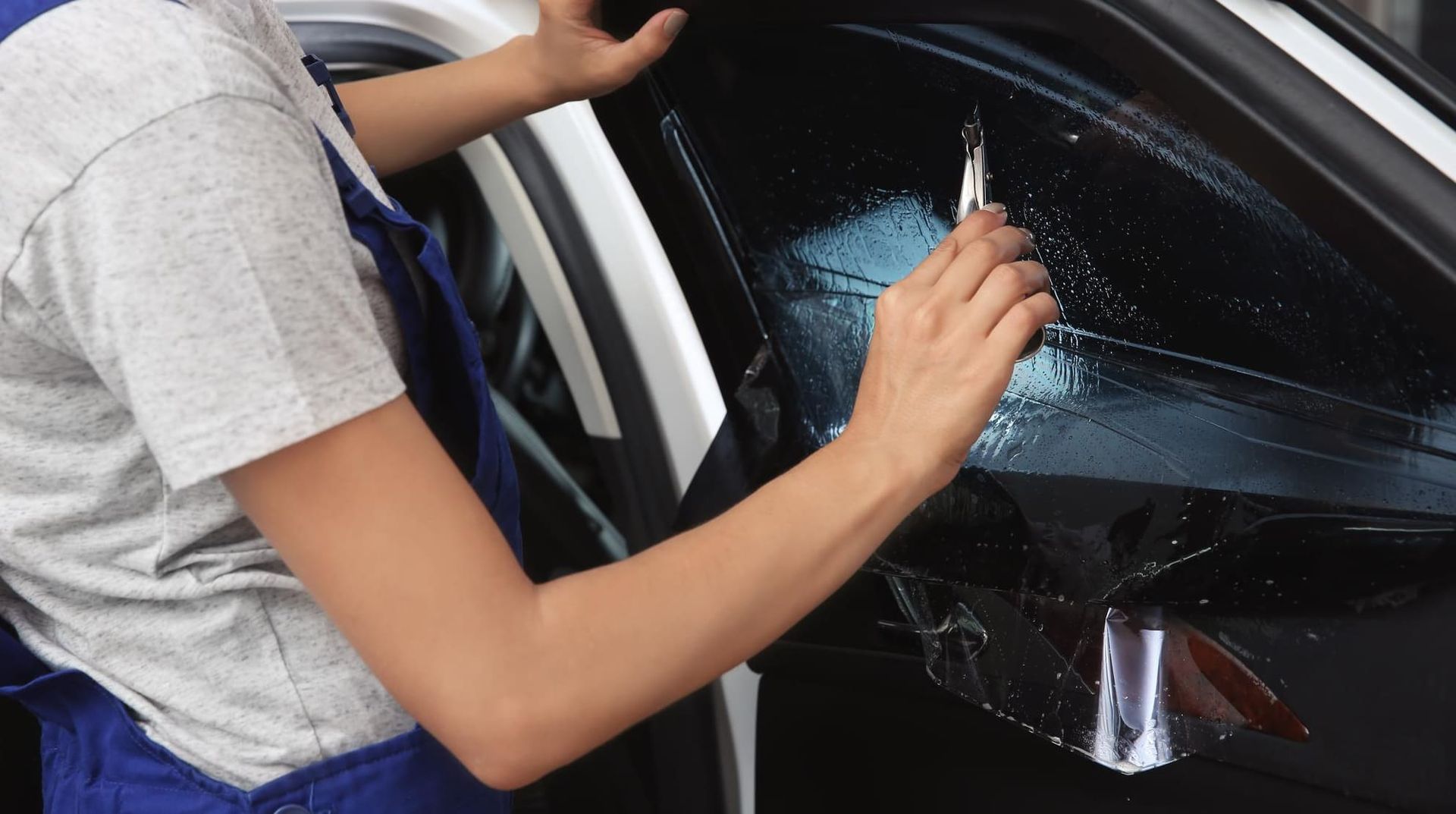
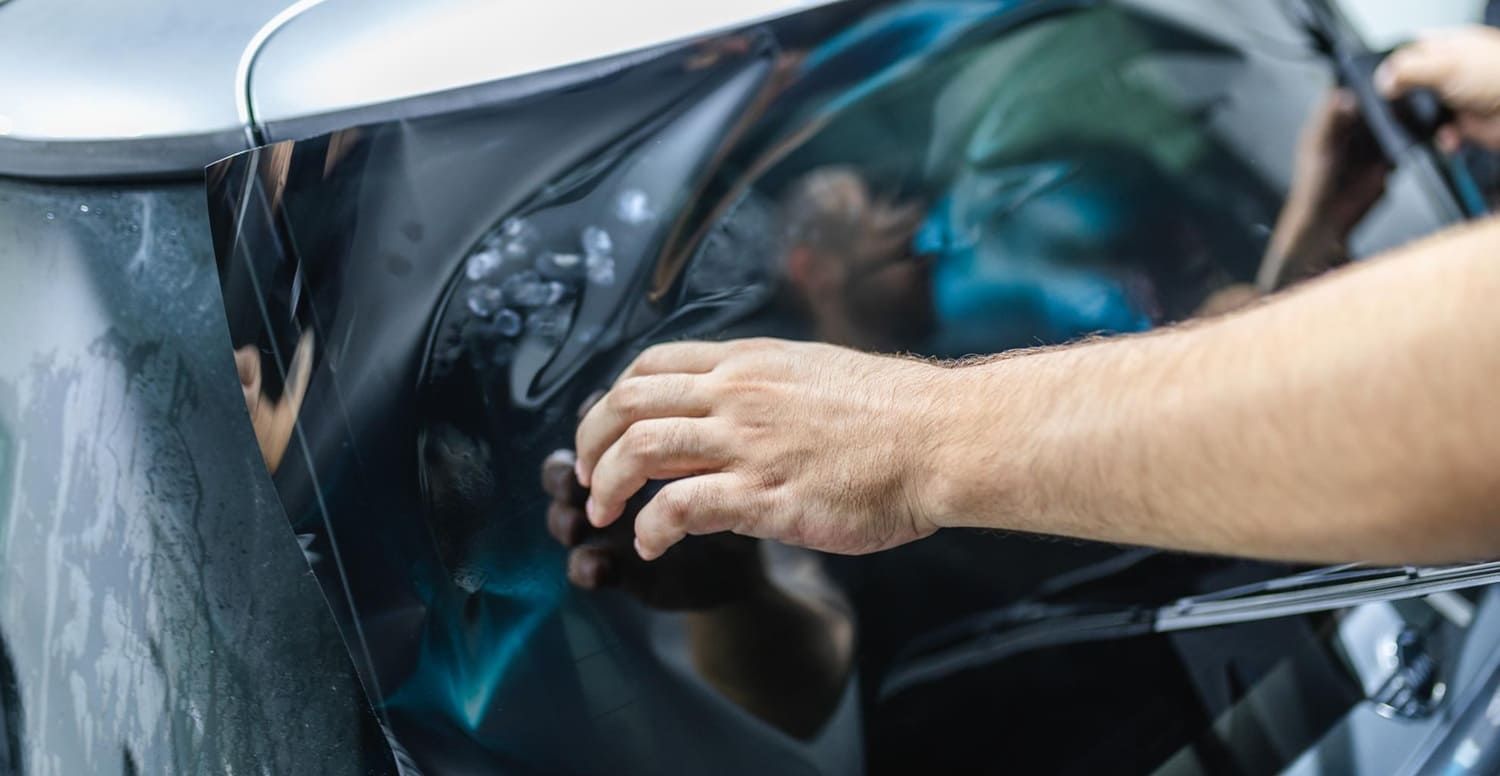
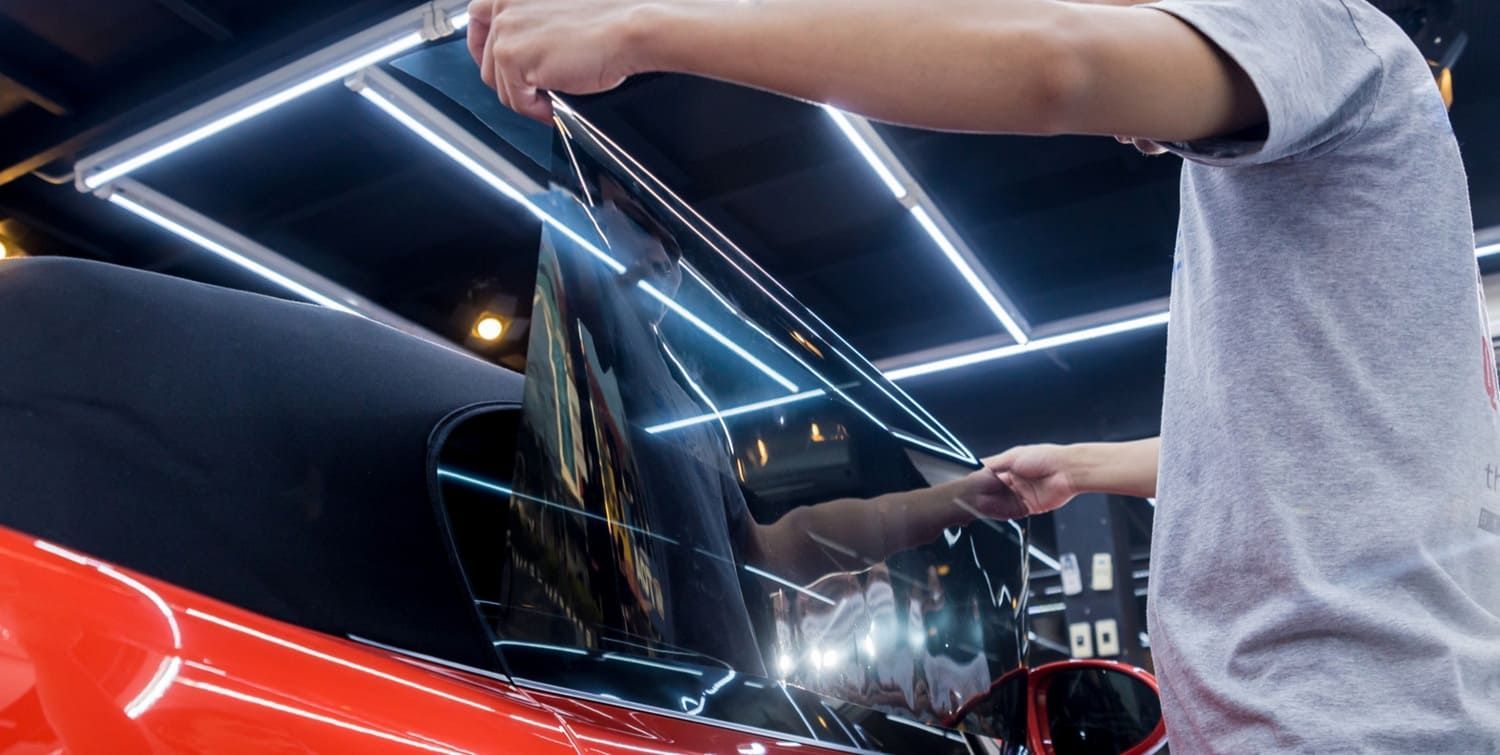
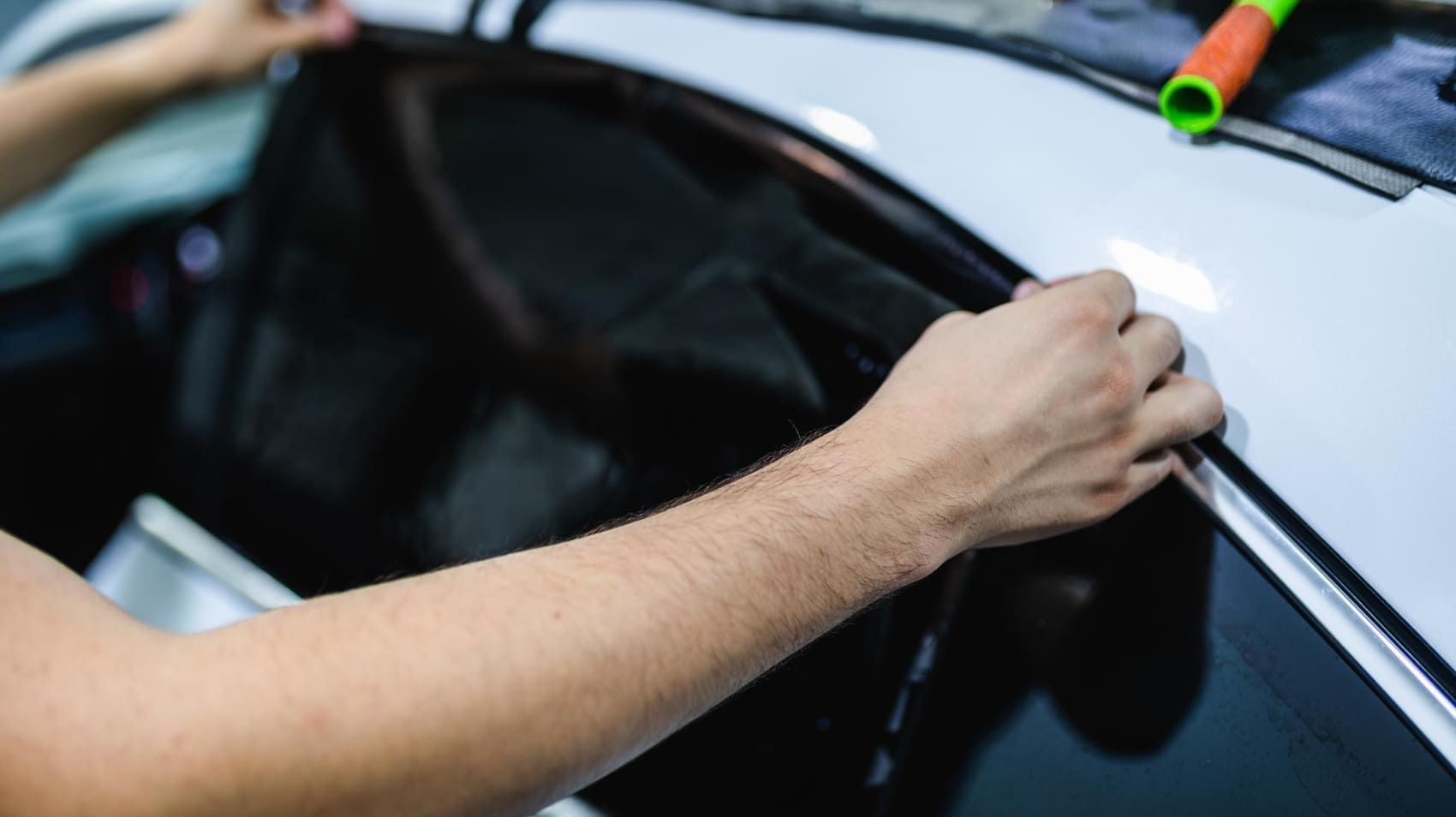
Window film performance is not only about the film you buy. It is also about preparation, installation precision, and how well the film is protected against long term environmental stress. In coastal Virginia, salt air, humidity, sand, and temperature swings can be tough on vehicles. A professional installation helps ensure the film adheres correctly, cures properly, and maintains a clean finish.
What professional installation does for Tesla owners:
- Clean, controlled environment: reduces dust contamination that can be more common in humid, sandy conditions.
- Proper shaping for Tesla glass: Tesla windows and roof glass often require careful heat shaping and precise trimming.
- Edge and seal protection: correct techniques reduce peeling risks and help the film last longer.
- Consistent results: the goal is a finish that looks refined, performs as expected, and holds up for years.
For local drivers searching “best tint for Tesla Virginia Beach,” a key differentiator is choosing a shop that treats Teslas as a specialty, not a generic installation. Applied Film Technology serves Virginia Beach and surrounding coastal communities with high performance film options tailored to EV comfort goals. If you want the best balance of heat reduction, clear visibility, and long term durability, professional installation is the foundation.
FAQ: Tesla Window Tint in Virginia Beach
What is the best tint for Tesla Virginia Beach heat?
For most Tesla owners focused on comfort, advanced ceramic tint is the top choice because it targets infrared heat while maintaining excellent visibility and a premium look.
Does tint affect Tesla sensors or Autopilot cameras?
When installed properly and with the right film selection, tint on standard glass areas is unlikely to affect driver assistance systems. A professional installer can confirm sensor zones and avoid problem areas.
What is the best shade for a Tesla glass roof?
Many owners choose a shade that prioritizes strong infrared rejection without making the cabin feel too dark. The right VLT depends on your comfort preference, nighttime visibility needs, and compliance considerations.
Is windshield tint safe on a Tesla?
A light, high clarity ceramic windshield film can improve comfort and reduce heat, but visibility and legal compliance must come first. Always confirm what is permitted and choose a professional installation.
What are the legal limits for Tesla window tint in Virginia?
Virginia tint rules depend on window position and VLT. Because requirements can change, verify the current regulations before selecting film. A local professional can help you choose a compliant setup.
Can ceramic tint improve Tesla battery range?
Ceramic film can reduce heat entering the cabin, which may reduce HVAC workload in warm conditions. The real world impact on range depends on driving habits, temperature settings, and exposure to direct sun.
Is ceramic tint worth it compared to standard film?
If your priority is heat reduction, comfort, and premium clarity, ceramic tint is often worth the upgrade. Standard films can look good and reduce glare, but typically provide less infrared heat control.
How durable is tint in coastal climates like Virginia Beach?
Durability depends on film quality and installation technique. Coastal humidity and salt air make it even more important to choose a reputable film and a professional installer for long term performance.
What tint option provides maximum heat rejection?
High performance ceramic films are commonly selected for maximum heat rejection because they target infrared energy effectively without relying on extreme darkness.
How do I choose a Tesla tint shop near Virginia Beach?
Look for EV experience, clean installation standards, high clarity ceramic options, and a willingness to discuss compliance and your comfort goals. Applied Film Technology is a trusted local option for Tesla heat reduction tint and professional installation.
Conclusion and Free Estimate CTA
Choosing the best tint for Teslas is really about making your EV more comfortable and more efficient in real world coastal driving. With the right ceramic film, you can reduce solar heat buildup, improve day to day comfort, protect your interior from UV exposure, and potentially reduce HVAC demand during warm
Virginia Beach conditions. The best results come from selecting a film designed for infrared heat rejection, keeping VLT aligned with Virginia tint expectations, and ensuring roof and windshield areas are handled with care.
If you are ready to upgrade comfort and support efficiency,
Applied Film Technology in
Virginia Beach, Virginia can help you choose a high performance tint package built for your Tesla and your local climate.
Contact Applied Film Technology today to get a
free estimate for professional Tesla window tint installation and enjoy cooler drives across Virginia Beach and the surrounding coastal areas.