How Much Does Window Tint Cost in Hampton Roads? A Local Pricing Guide
If you've started shopping for window tint in Virginia Beach, Norfolk, Chesapeake, or anywhere else around Hampton Roads, you've probably noticed something frustrating right away: almost nobody publishes a straight price. You get "starting at" numbers, vague ranges, or a note to "call for a quote." That's not a dodge — window tint pricing genuinely depends on a lot of moving parts, and a business that gives you a flat number without seeing your vehicle, home, or building is usually cutting corners somewhere.
This guide breaks down what actually drives window tint cost in the Hampton Roads area — Virginia Beach, Norfolk, Chesapeake, Hampton, Newport News, and Suffolk — so you know what to expect before you ever pick up the phone. We'll cover auto tint, residential film, and commercial window film separately, since they're priced very differently, and we'll walk through the specific factors that push a quote up or down.
Why Window Tint Prices Vary So Much
Window tinting isn't a one-size-fits-all service, which is exactly why "how much does it cost" doesn't have a single answer. A two-door coupe with four small windows takes far less film, labor, and time than a three-row SUV with curved rear glass. A single home office window is a different job than tinting an entire two-story house full of large, energy-efficient windows. And commercial buildings can range from a single storefront to a 20-story office tower.
On top of vehicle or building size, the type of film you choose matters enormously. A basic dyed film built purely for privacy costs less than a premium ceramic or nano-carbon film engineered to block heat and UV without interfering with radio, GPS, or cell signals. In the Hampton Roads climate — hot, humid summers with intense coastal sun — most homeowners and drivers end up choosing a mid-to-premium film specifically because of the heat and UV performance, not just the look.
What Actually Drives Your Quote
A handful of factors consistently move the price up or down, regardless of whether you're tinting a car, a house, or a business:
- Film quality and technology. Dyed film is the most affordable option; ceramic and premium infrared-rejecting films cost more but block significantly more heat and UV.
- Number and size of windows. More glass, more labor, more material.
- Window shape and complexity. Curved auto glass, arched residential windows, or oddly shaped storefront glass take extra time to fit correctly.
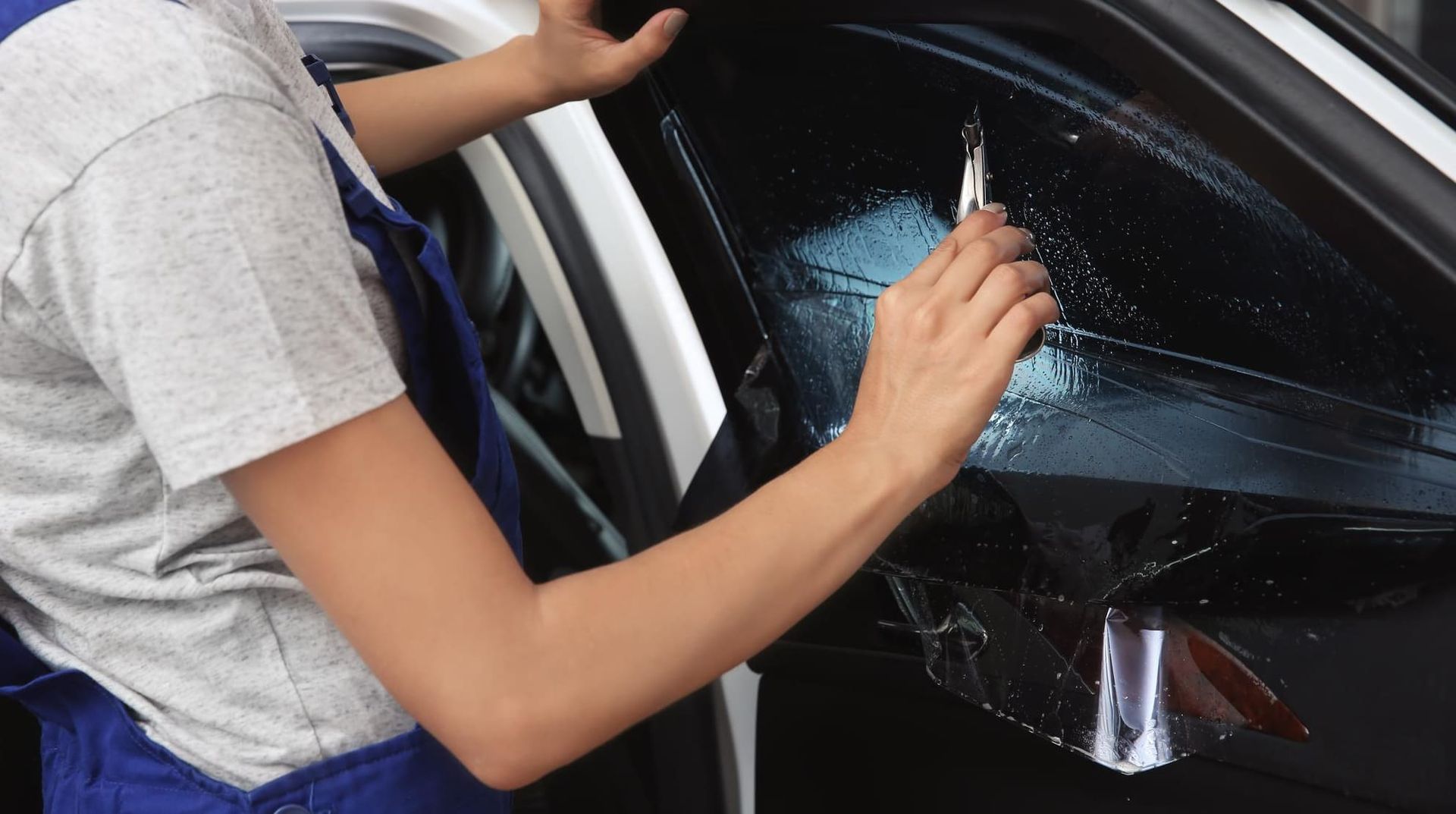
- Old tint removal. If a vehicle or building already has bubbled, peeling, or purple-faded tint, removing it adds labor before the new film can even go on.
- Access and building type. A second-story commercial window or a hard-to-reach residential window may require extra equipment or time.
- Warranty coverage. Professionally installed film backed by a manufacturer warranty typically costs more upfront than uninstalled or unwarrantied film, but it protects you from paying twice.
How Much Does Auto Window Tint Cost in Hampton Roads?
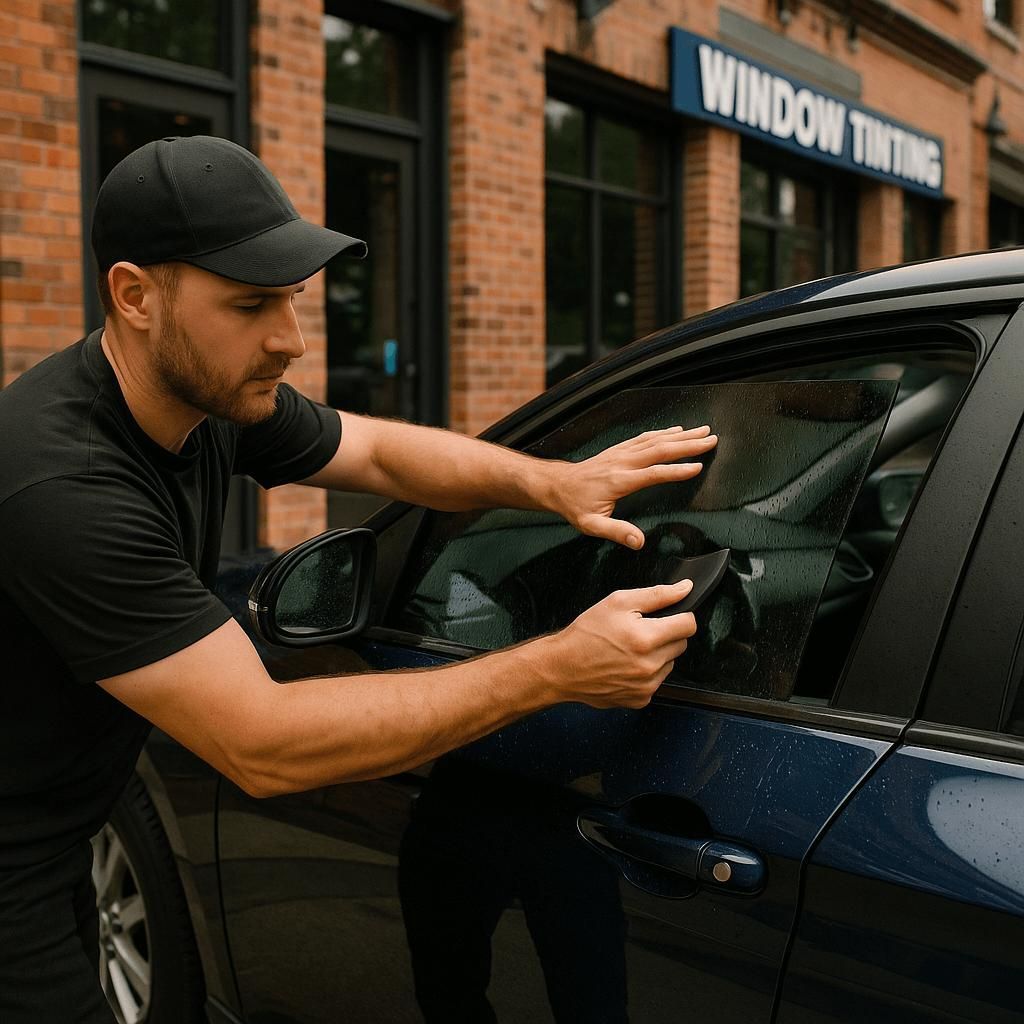
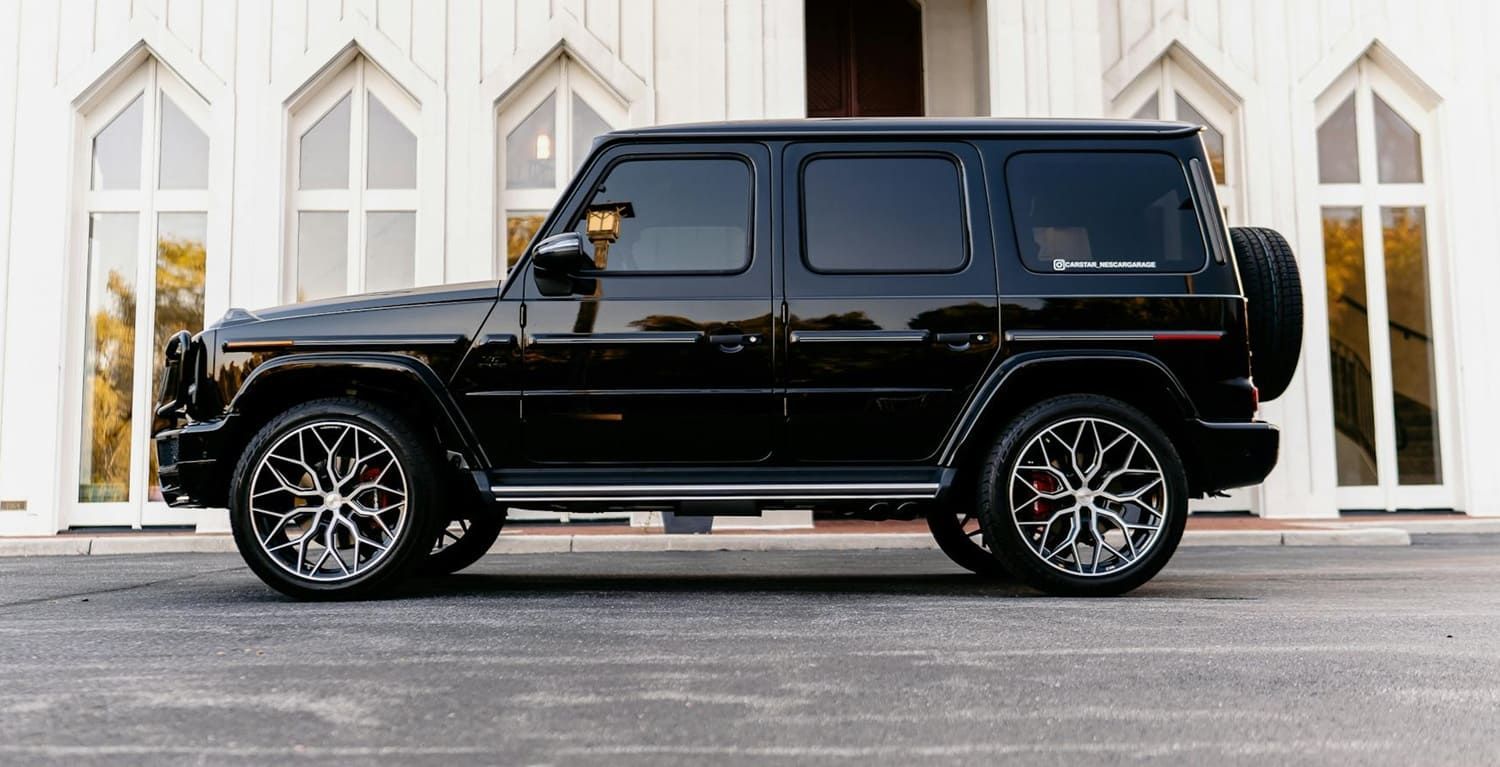
Auto tint is priced primarily by vehicle type and film selection. A basic sedan generally costs less to tint than a truck, SUV, or vehicle with a large rear window and hatch, simply because there's more glass and more labor involved. Film choice is the other major variable — a standard shade film sits at the lower end, while premium ceramic or ["]ultra-clear["] infrared-blocking films sit higher because of the materials and heat-rejection technology involved.
For drivers in Virginia Beach and across Hampton Roads, it's worth remembering that Virginia has specific legal tint limits for front and rear windows, so the film percentage you're legally allowed also factors into your options. A reputable installer will walk you through what's compliant before quoting a shade.
What's Usually Included in an Auto Tint Quote
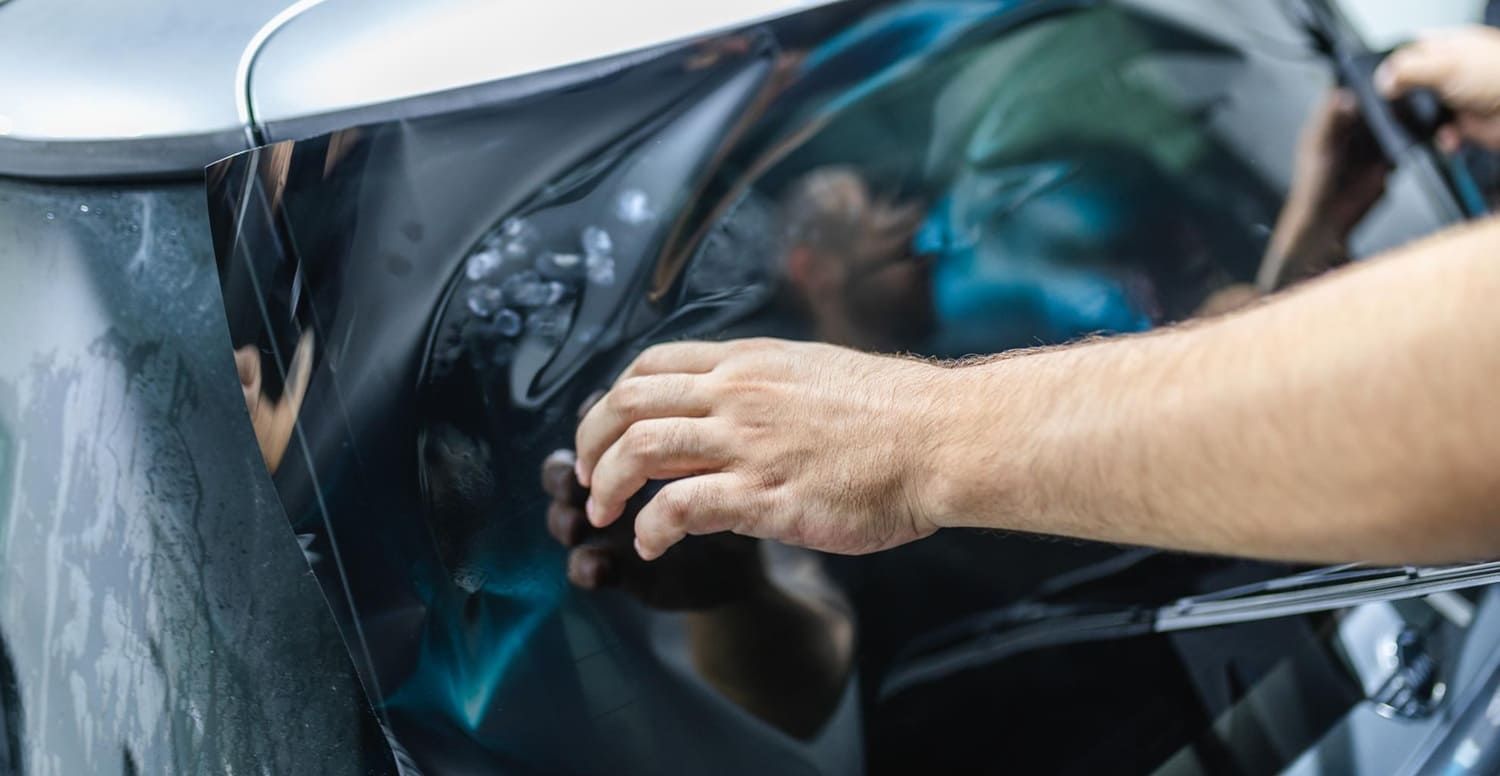
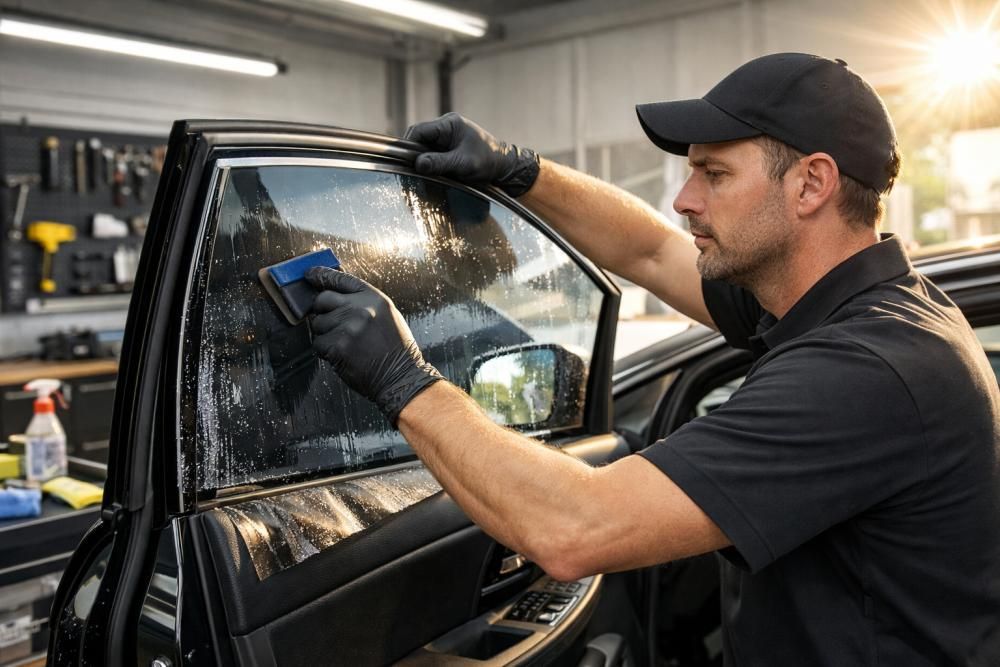
A professional auto tint job typically includes the film itself, precision computer-cut or hand-cut installation for your exact make and model, and — with a reputable shop — a lifetime warranty covering bubbling, peeling, cracking, and color change for as long as you own the vehicle. If your car already has old, deteriorating tint, expect removal to be quoted as a separate line item, since it's extra labor on top of the new install.
How Much Does Residential Window Tinting Cost?
Home window tinting is generally quoted per window or by total square footage of glass, and the price swings based on how many windows you're doing, their size, and the type of film. A single sunroom or west-facing living room window is a much smaller project than tinting every window in a two-story home.
Homeowners across Virginia Beach, Norfolk, and Chesapeake typically look at residential film for one of a few reasons: cutting summer heat gain, protecting furniture and flooring from UV fading, adding privacy without losing natural light, or upgrading to decorative or safety-and-security film. Each of those goals can point toward a different film category, and film category is one of the biggest swing factors in residential pricing:
- Solar/heat-control films — priced for performance, since they're engineered to reject a high percentage of solar energy.
- Decorative films — priced based on pattern complexity and whether it's a frosted, etched, or patterned design.
- Safety and security films — thicker, reinforced film meant to hold glass together on impact, generally priced higher due to the added material and precision installation required.
Residential Comparison: What You Get at Different Film Levels
| Film Type | Primary Benefit | Typical Use Case | Relative Cost |
|---|---|---|---|
| Standard solar film | Reduces glare and some heat | Everyday rooms, budget-conscious homes | $ |
| Premium ceramic solar film | Maximum heat/UV rejection, no signal interference | Sunrooms, west-facing rooms, whole-home projects | $$ |
| Decorative film | Privacy + design, frosted/patterned looks | Bathrooms, front doors, glass partitions | $$ |
| Safety & security film | Holds glass together on impact, storm/break-in protection | Ground-floor windows, storm doors, coastal homes | $$$ |
How Much Does Commercial Window Tinting Cost?
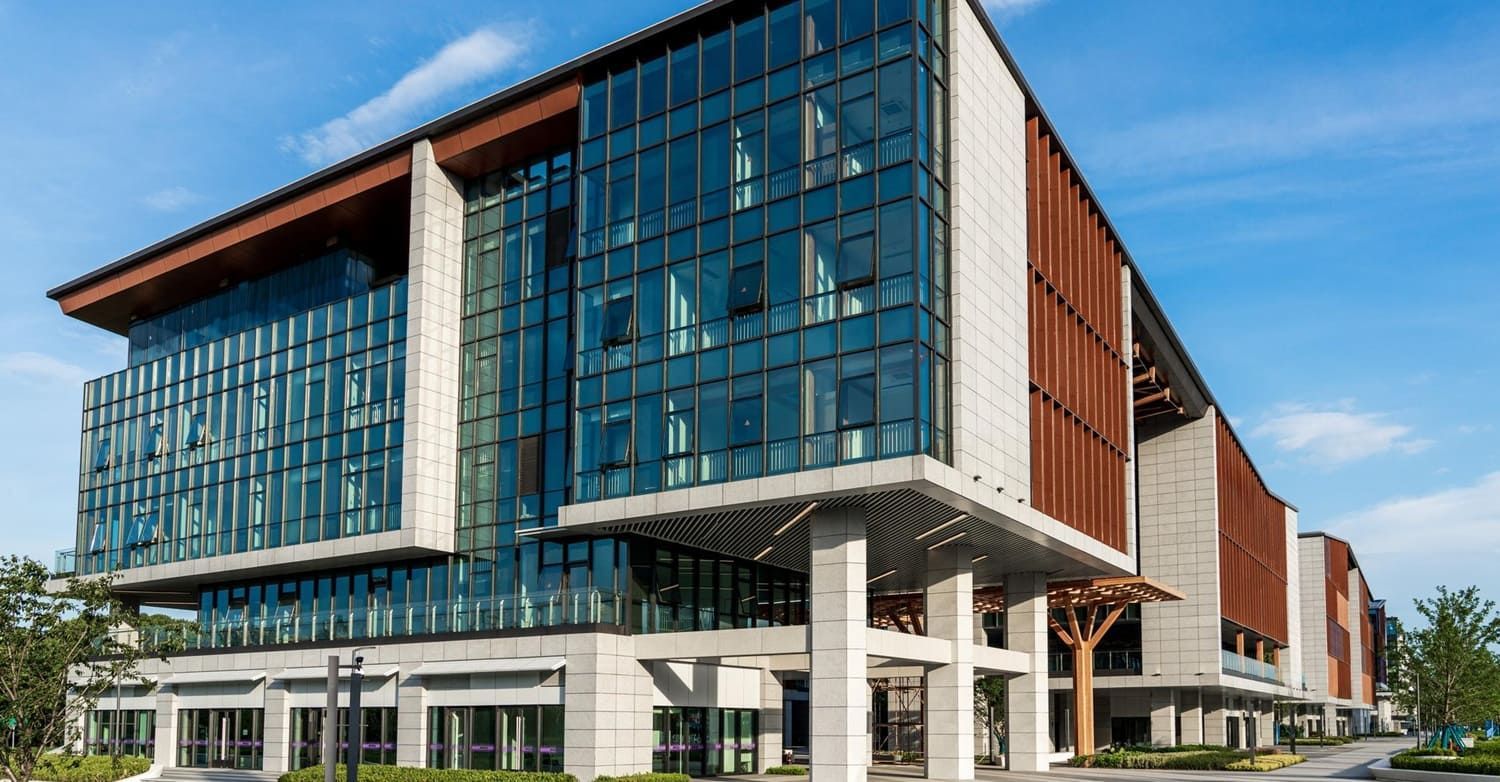
Commercial pricing scales with the size of the building and the number of windows or storefront glass panels involved, which is why it's the category with the widest range. A single retail storefront is a very different project from a multi-story office building or a school retrofitting every window with safety film.
Businesses around Hampton Roads typically pursue commercial film for energy savings, glare reduction for employees and customers, branding or privacy on storefront glass, or safety and security upgrades — including specialized film designed for school safety and security applications. Commercial solar films are commonly cited as reducing a building's energy costs by roughly 5–15%, which is a meaningful factor when weighing the upfront cost against long-term utility savings.
Getting an Accurate Commercial Quote
Because commercial jobs vary so much in scope, most professional installers will want to do a site walkthrough or review building plans before quoting a firm number. Factors like glass height, window count, building access, and whether the work needs to happen after hours to avoid disrupting business all affect labor cost.
Ways to Keep Your Window Tint Project on Budget
You don't have to choose between quality and affordability if you plan a little. A few practical ways Hampton Roads customers manage cost:
- Prioritize the windows that matter most first. For a home, that often means west- and south-facing windows getting the most direct sun. For a business, it might be the storefront glass customers see first.
- Ask about bundling. If you're tinting multiple vehicles, or doing a whole-home project, bundling the work into one visit can be more efficient than scheduling separate appointments.
- Choose film based on your actual goal, not just the lowest price. If heat reduction is your main concern, a cheaper dyed film may leave you disappointed compared to a ceramic film — spending a bit more upfront can mean better performance and fewer regrets.
- Get a written warranty in the quote. A lifetime warranty on film and installation protects you from paying for repairs or replacement later, which matters more than the sticker price alone.
- Get an in-person or detailed estimate rather than guessing from an online calculator. Window count, glass size, and access all vary too much for a generic online price to be reliable.
Frequently Asked Questions
Is window tint cost based on the size of the vehicle or home?
Yes. Size and window count are two of the biggest factors in any tint quote, whether it's a car, a house, or a commercial building. More glass means more material and labor.
Does removing old window tint cost extra?
In most cases, yes. If your vehicle or building already has tint that's bubbling, peeling, or purple-faded, that old film has to be safely removed before new film can be installed correctly, and that removal is typically quoted separately from the new installation.
Is ceramic window film worth the extra cost?
For many Hampton Roads homeowners and drivers, yes — especially given the region's hot, humid summers. Ceramic and premium infrared-rejecting films block significantly more heat and UV than basic dyed film, without interfering with radio, GPS, or cell signal, which can make the higher upfront cost worthwhile over the life of the film.
Does professionally installed window tint come with a warranty?
Reputable installers using manufacturer-grade film, such as LLumar, typically back their work with a lifetime warranty covering bubbling, peeling, cracking, and color change, with no added warranty expense to the customer. Always confirm what's covered before you commit.
What Virginia tint laws apply to auto window tint?
Virginia has specific legal limits on how dark front and rear window tint can be. A professional installer familiar with Virginia law can walk you through compliant shade options before your vehicle is tinted, so you avoid a fix-it ticket down the road.
Why won't a company give me an exact price over the phone?
Because window count, glass size, film type, and access all vary too much to price accurately sight unseen. A business that quotes a firm number without seeing the vehicle, home, or building first is more likely to hit you with surprise add-ons later.
Get an Exact Quote for Your Hampton Roads Property
Every window tint project is a little different, which is exactly why the most reliable way to know your real cost is a free, no-pressure estimate rather than a generic online number. Applied Film Technology is an Authorized LLumar Dealer and LLumar SelectPro Dealer serving Virginia Beach, Norfolk, Chesapeake, Hampton, Newport News, and Suffolk for auto, residential, and commercial window film — backed by expert installation and a lifetime warranty on qualifying film.
If you're ready to see what your specific vehicle, home, or building would cost, request a free estimate and get a real number based on your actual project, not a guess.