How Dark Can Window Tint Be in Virginia in 2026?
How Dark Can
Window Tint Be in Virginia in 2026? is not just a style question. In Virginia, tint darkness rules matter because they affect driver visibility, officer visibility into a vehicle during stops, and how much light reaches your eyes at night and in bad weather. When tint is darker than the legal limit, drivers can face a traffic stop, a citation, fines, and in some cases a requirement to remove or correct the film to become compliant. That can mean paying twice: once for the original installation and again for removal and replacement. For drivers in Virginia Beach, Norfolk, Chesapeake, Hampton, Newport News, Suffolk, Poquoson, Portsmouth, Williamsburg, Smithfield, and surrounding Virginia areas, understanding the legal limits
before tinting helps you choose the right Visible Light Transmission (VLT) level, avoid costly mistakes, and still improve comfort,
privacy, glare control, and UV protection. This guide focuses on the practical question most vehicle owners ask:
how dark can window tint be in Virginia in 2026 , and what you can do to stay compliant while still getting premium performance with LLumar window tint installed by Applied Film Technology.
Table of Contents
- 1. Overview of Virginia Window Tint Laws and 2026 Enforcement
- 2. Legal VLT Requirements by Vehicle Type
- 3. Windshield Tint Rules: Placement and Visibility
- 4. Reflectivity, Color Restrictions, and Prohibited Materials
- 5. How Tint Is Measured During Stops and Inspections
- 6. Penalties and How to Correct Illegal Tint
- 7. Choosing Legal Tint With Heat Rejection and UV Protection
- FAQ: Virginia Window Tint Laws 2026
- Conclusion and Free Estimate CTA
1. Overview of Virginia Window Tint Laws and 2026 Enforcement
Virginia window tint laws are primarily built around
Visible Light Transmission , commonly shortened to
VLT . VLT is the percentage of visible light that passes through your glass and film together. A higher number means more light passes through and the tint is lighter. A lower number means less light passes through and the tint is darker.
When people search
Virginia window tint laws 2026 , they are usually trying to answer three practical questions. First, what VLT is allowed on the front side windows where the driver’s visibility matters most. Second, what is allowed on the rear side windows and rear glass, especially for SUVs and trucks. Third, what is allowed on the windshield, where visibility and safety standards are strict.
Enforcement can vary by area and by the circumstances of a traffic stop, but the best approach is to assume your vehicle may be checked at any time. In Hampton Roads and the broader Tidewater region, drivers often travel across city lines in a single day. A tint that draws no attention in one area can still become a problem in another if it is obviously darker than typical compliant installations.
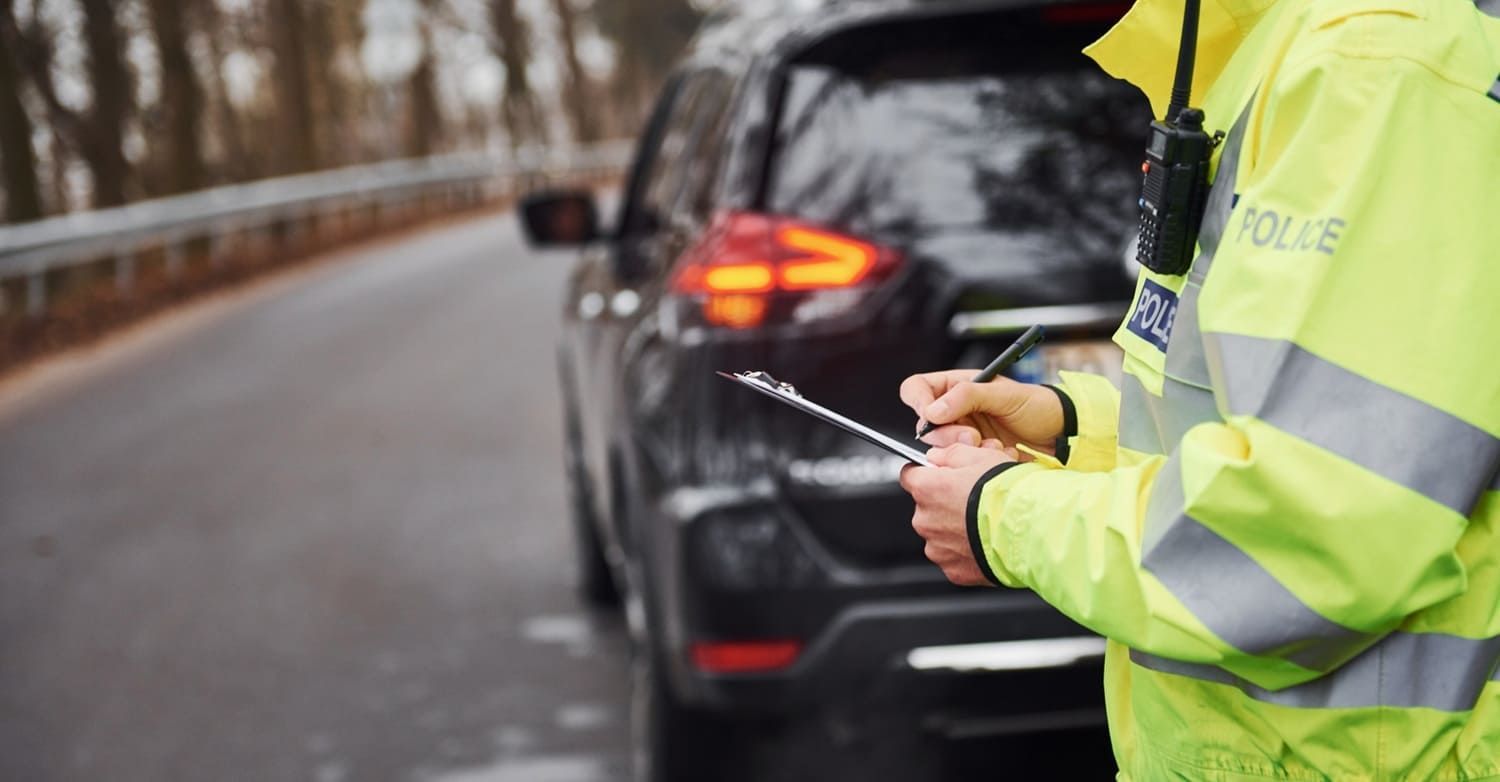
Virginia also has safety and visibility considerations that influence enforcement. Officers may stop a vehicle when they believe the tint is excessively dark or reflective, especially if it appears to reduce the driver’s ability to see pedestrians, bicyclists, or other vehicles. During a stop, officers may use a tint meter to measure VLT on the spot. In addition, vehicles can be evaluated in the context of state inspections and compliance checks, depending on the situation.
The bottom line is simple. If you want the
benefits of tint without the stress of citations or forced removal, treat compliance as part of the product selection, not as an afterthought. A premium film like
LLumar window tint can deliver excellent comfort and UV protection at legal VLT levels when applied correctly by a professional shop such as
Applied Film Technology .
2. Legal VLT Requirements by Vehicle Type
The most important rule for most drivers is the minimum VLT allowed on the front side windows . This is the glass directly next to the driver and front passenger. Virginia focuses heavily on these windows because they influence driver visibility and officer visibility during a stop.
Because the internet is full of outdated summaries, the most reliable approach is to confirm the legal minimum VLT requirement for your vehicle type with a
professional installer who stays current. Applied Film Technology can verify the correct VLT targets for your vehicle and recommend LLumar window tint options that match both your performance goals and compliance needs.
Quick reference: VLT by window location
Use this table as a planning tool. The exact compliant choice depends on your factory glass, your film VLT, and how the combined VLT measures with a meter.
| Window area | Why it is regulated | Compliance best practice |
|---|---|---|
| Front side windows | Driver visibility and officer visibility | Choose a legal VLT with buffer for factory glass |
| Rear side windows | Safety visibility, but typically more flexible | Match privacy goals while staying legal |
| Rear window | Rear visibility and reflectivity concerns | Consider defroster compatibility and meter reading |
| Windshield | Highest safety priority | Follow placement rules and avoid illegal darkness |
Sedans: Most sedans have clear factory glass on the front doors. Drivers often want privacy and heat rejection, but the correct approach is to pick a legal film VLT that remains compliant once installed and measured. A professional shop can measure your glass before installation and recommend the right film.
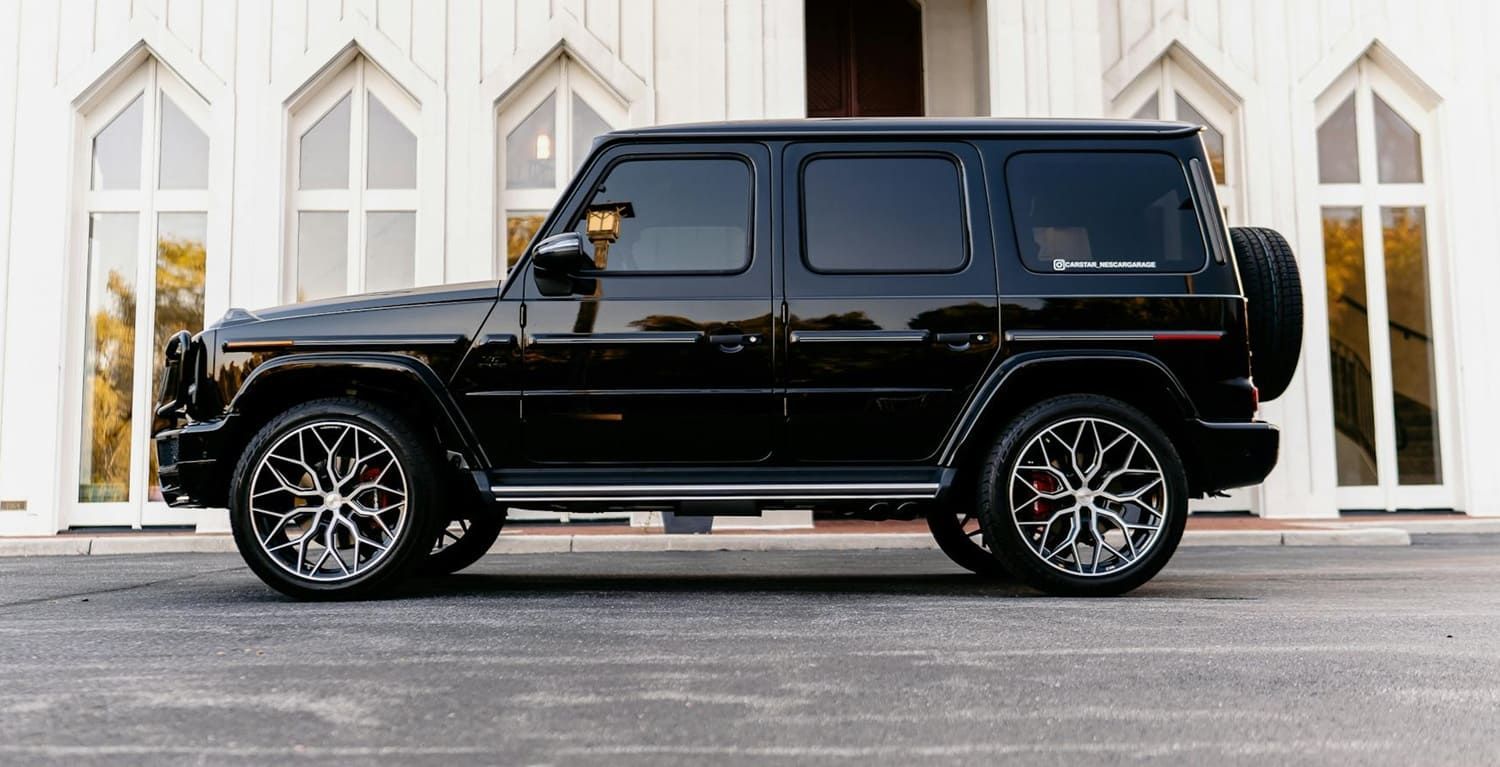
SUVs, trucks, and vans: Many SUVs and trucks come with factory privacy glass on the rear doors and cargo area. That factory glass is typically tinted at the glass level, and it still counts toward how dark the window is when measured. Adding aftermarket film on top of privacy glass can easily create an illegal result if you choose a very dark film. The smart approach is to focus the film selection on performance rather than extreme darkness. Modern films can deliver strong heat rejection and UV protection without going excessively dark.
Factory glass versus aftermarket tint: Drivers often assume a “20 percent tint” means the same thing everywhere. In practice, the final VLT is a combination of factory glass VLT and the film VLT. If factory glass already blocks some light, the final reading will be lower than the film’s rating. That is why window tint VLT Virginia searches frequently lead to confusion. Meter readings do not care what the film box says. They measure the final number through glass and film together.
3. Windshield Tint Rules: Placement and Visibility
The windshield is where many drivers unintentionally violate the law. Virginia has strict standards for windshield tint because it directly affects forward visibility, especially at night, in rain, and in fog. If your goal is comfort, glare reduction, and UV protection, there are legal ways to do it, but you must follow placement and darkness rules precisely.
Tint strips: Many drivers want a shaded band at the top of the windshield to cut sun glare. This is often called a visor strip or tint strip. Placement rules matter here. The strip must stay within the allowed area and cannot extend downward into the driver’s primary viewing zone.
Full windshield films: Some drivers ask about applying film across the entire windshield. In many cases, the legal path is a very light, nearly clear film designed for UV and heat rejection rather than privacy. If you are considering this, do not guess. Confirm the legal approach first and use a reputable film with known specs. LLumar window tint options in the virtually clear range can deliver UV protection and meaningful comfort while keeping visibility strong.
Visibility standards: Even if a film is light, improper installation, haze, or damage can create visibility issues. Choose a professional installation and a film designed specifically for automotive windshields. That helps reduce distortion and improves long term clarity.
4. Reflectivity, Color Restrictions, and Prohibited Materials
Virginia regulations are not only about how dark the tint is. They also consider reflectivity and materials that could create dangerous glare. Extremely reflective films can reflect headlights back at other drivers at night, and mirrored appearances can raise enforcement attention quickly.
Reflectivity limits: Reflectivity rules are designed to keep vehicles from acting like mirrors. Even if the VLT is technically compliant, a highly reflective film can still be a problem. If you want a clean, premium look without excessive reflection, select a modern film series known for clarity and controlled reflectivity.
Color restrictions: Some tinted films with strong color casts are restricted or discouraged in many jurisdictions. If you are considering a tint that looks red, blue, or other obvious colors, treat that as a risk area. Neutral charcoal and other subtle tones are typically safer choices for both appearance and enforcement attention.
Prohibited materials: Cheap films can discolor, bubble, or haze, and older metallic films can interfere with radio, GPS, and mobile signals. High quality films reduce these risks. If your goal is long term performance and a compliance friendly finish, premium options matter. That is one reason many drivers choose LLumar window tint through an established installer like Applied Film Technology.
5. How Tint Is Measured During Stops and Inspections
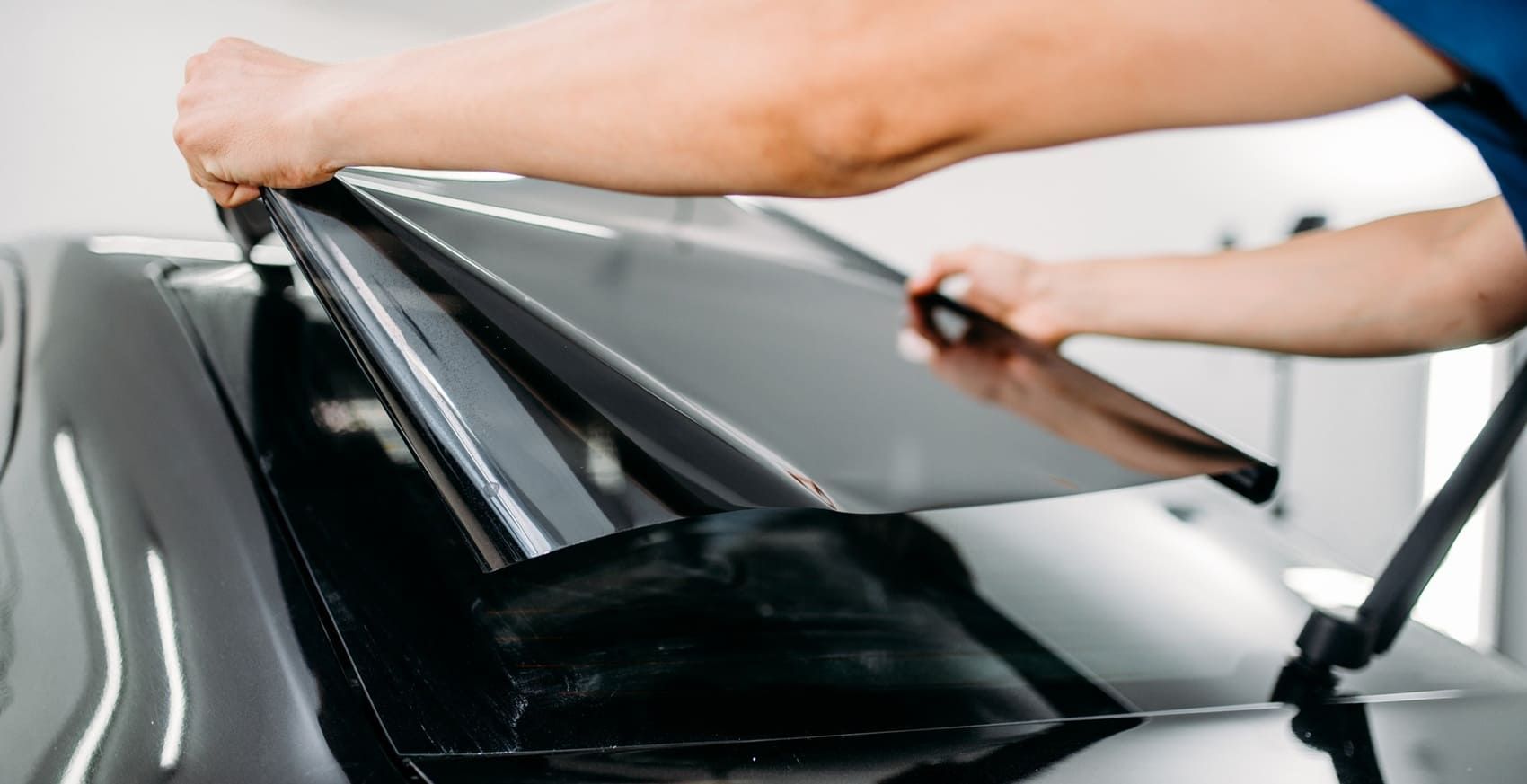
Understanding how law enforcement measures tint makes compliance easier. A tint meter measures the VLT by placing sensors on either side of the glass. The device sends light through and calculates how much passes through the window.
What drivers should expect during a stop: If an officer suspects illegal tint, they may visually assess first and then use a meter if available. The reading is quick. If the measured VLT is below the legal minimum, the tint can be treated as non compliant. This is why it is important to choose a film that gives you a buffer, not a film that barely meets the limit under perfect conditions.
Factory glass counts: A key point for legal car window tint Virginia searches is that the meter reads the combined VLT. Factory tinted glass and aftermarket film both affect the number. If your SUV already has privacy glass, adding a dark film on top can produce a very low VLT reading fast.
Inspection and long term compliance: Over time, film can get scratched, hazy, or damaged. Even if the VLT stays the same, poor clarity can still attract attention or create safety issues. Caring for your tint, using safe cleaners, and replacing damaged film helps you stay compliant and maintain visibility.
6. Penalties and How to Correct Illegal Tint
Penalties can include citations and fines, and drivers may be required to correct the issue by removing or replacing the film. Even when the fine is not extreme, the real cost is often the correction work and the inconvenience.
Common outcomes:
- Warning or citation depending on circumstances and measured VLT
- Fine and documentation requirements
- Requirement to remove or replace tint to reach legal VLT
- Follow up inspection or proof of correction
Steps to correct illegal tint: If your tint is found to be too dark, the best step is to work with a professional shop. They can measure current VLT, explain what is out of compliance, and recommend a legal replacement that still provides comfort and UV protection.
Applied Film Technology can help drivers across Hampton Roads and surrounding Virginia areas correct tint issues and install compliant LLumar window tint options.
7. Choosing Legal Tint With Heat Rejection and UV Protection
Drivers often assume they must choose between legal tint and high performance. Modern film technology makes that a false choice. You can remain compliant and still get meaningful heat rejection, UV protection, and glare control.
Start with compliance: Decide your target legal VLT first. Then choose a film series that delivers performance at that VLT, rather than choosing the darkest film and hoping it passes.
Why premium film matters: Premium films can provide better infrared heat rejection, clearer optics, and better longevity. That translates into real comfort in Virginia summers, especially in coastal humidity and strong sun exposure. LLumar window tint is known for premium performance, and when applied correctly it can help drivers stay within Virginia’s legal limits while improving comfort and protection.
Factory glass versus aftermarket film, explained simply:
| Scenario | What drivers assume | What actually happens |
|---|---|---|
| Clear factory glass + 35% film | Final looks like 35% | Final is close, but can vary by glass |
| Privacy glass + 20% film | Final looks like 20% | Final can be much darker than 20% |
| Privacy glass + light performance film | Not much change | Big heat and UV gains with minimal darkness change |
Compliant
tint options that still feel premium: If you want comfort and UV protection, look for films designed for heat rejection at legal VLT. Ask your installer to explain the performance differences between film lines at the same VLT. In many cases, you can achieve a cooler cabin and strong UV protection without pushing the darkness boundary.
FAQ: Virginia Window Tint Laws 2026
How is tint darkness measured in Virginia?
It is measured with a tint meter that reads the combined VLT through the glass and film together.
What does VLT mean for window tint?
VLT is Visible Light Transmission, the percent of light that passes through the window.
Does factory tinted glass count toward legal limits?
Yes. The meter measures the whole window, including any factory tint or privacy glass.
Are tint laws different for sedans vs SUVs and trucks?
They can be, especially for rear windows. Confirm your vehicle type and window locations before choosing film.
Can I tint my windshield in Virginia?
Windshield rules are strict. Legal options often focus on approved placement areas or very light films for UV and heat control.
Is a top windshield tint strip allowed?
Often yes within specific placement limits. The strip must not extend into the driver’s primary viewing area.,
Are certain tint colors illegal in Virginia?
Highly visible colors and mirrored looks can be restricted or draw enforcement attention. Neutral tones are typically safer.
What is a medical exemption for window tint in Virginia?
Virginia can allow exemptions for qualifying medical needs. Requirements and documentation must be followed exactly.
Will darker tint make night driving harder?
Yes. Lower VLT means less light, which can reduce visibility at night and in rain. Balance privacy with safety.
How do I stay compliant long term?
Choose legal VLT with buffer, keep paperwork, avoid overly reflective films, and replace damaged or hazy tint.
Conclusion and Free Estimate CTA
If you are searching
how dark can window tint be Virginia , the best takeaway is to treat VLT as a measurable compliance number, not a guess based on looks.
Virginia window tint laws 2026 focus on legal VLT limits, with strict attention on front side windows and windshield rules. Factory glass affects your final VLT, reflective films can create problems even when darkness seems acceptable, and enforcement can involve meter testing during a traffic stop or compliance review.
The good news is that you do not have to sacrifice performance to stay legal. With the right window tint VLT Virginia selection, premium films can provide real heat rejection and UV protection at compliant VLT levels. LLumar window tint products are a strong choice for drivers who want premium comfort and protection, and compliance is straightforward when the film is selected and installed correctly.
For drivers in
Virginia Beach, Norfolk, Chesapeake, Hampton, Newport News, Suffolk, Poquoson, Portsmouth, Williamsburg, Smithfield, and surrounding Virginia areas,
contact Applied Film Technology for expert guidance, professional installation of
LLumar Window Tint, and a
free estimate on window tint solutions that meet Virginia laws while maximizing comfort, protection, and style.