What Are Virginia's Window Tint Laws in 2026?
If you are asking, “What are Virginia’s window tint laws in 2026?” you are already thinking like a smart car owner. Virginia has specific, enforceable rules for how dark your tint can be, which windows can be tinted, and how reflective the film is allowed to look. In Virginia Beach and across Hampton Roads, a window tint stop can lead to a fine and a fix-it order that requires you to remove or replace the film. That is frustrating, time-consuming, and expensive, especially when it could have been avoided with the right information upfront.
The good news is that Virginia’s window tint laws in 2026 are clear and measurable. You can still get meaningful heat rejection, UV protection, glare reduction, and privacy within the legal limits. The best approach is to understand the VLT numbers for your vehicle type and work with a certified professional installer who can meter your glass, recommend compliant film shades, and deliver a clean, durable install. This guide breaks down the rules and shows how to stay compliant while still getting the performance you want.
Table of Contents
1. What Virginia’s window tint laws say in 2026 and what VLT means
2. Legal tint darkness limits for each window on passenger vehicles in Virginia
3. Legal tint darkness limits for SUVs, vans, and multipurpose vehicles in Virginia
4. Virginia window tint reflection rules and what films are not allowed
5. Medical exemptions for darker window tint in Virginia and how to apply
6. Penalties for illegal window tint in Virginia and what happens if you get pulled over
7. How to get a legal, high-performing window tint installation in Virginia Beach and Hampton Roads
1. What Virginia’s window tint laws say in 2026 and what VLT means
Direct answer: Virginia’s tint rules are based on VLT , short for Visible Light Transmission . VLT is the percentage of visible light that passes through your window, including both the glass and the film. A higher VLT number means a lighter window. A lower VLT number means a darker window.
When drivers search “Virginia tint law VLT percentage” or “how dark can window tint be in Virginia,” they are really asking what VLT number is legal on each window. Virginia sets different VLT requirements depending on the window location and whether the vehicle is a passenger car or an SUV, van, or multipurpose vehicle.
It is important to know that the tint shade you buy is not always the final VLT you end up with. Factory glass often has some tint already, and once you apply film, the combined VLT can become darker than you expect. This is a common reason people accidentally end up illegal, especially on front side windows where Virginia’s limit is strict.
How VLT is measured during a tint stop
In Hampton Roads, many officers use handheld tint meters at the roadside. The meter measures how much light passes through the glass and film together. If your reading is below the legal VLT requirement for that window, you can be cited even if you believed the film you chose was “legal.” That is why “legal window tint Virginia Beach” should mean metered, documented, and installed correctly, not just “a light tint.”
Quick compliance mindset for Virginia drivers
- Know your vehicle type: sedan vs SUV or van matters for rear windows.
- Choose film based on metered results: not just the box label.
- Avoid high-reflective looks: Virginia also limits reflectivity.
- Use a professional installer: accuracy and documentation matter for compliance.
2. Legal tint darkness limits for each window on passenger vehicles in Virginia
Direct answer: For passenger cars in Virginia, the front side windows must be at least 50% VLT . The rear side windows and rear window must be at least 35% VLT . The windshield may only have a non-reflective strip above the AS-1 line (or top 5 inches).
These limits are the backbone of “Virginia window tint laws 2026” searches. If you drive a sedan in Virginia Beach, Chesapeake, Norfolk, Hampton, Newport News, or Suffolk, the most common compliance risk is choosing a film that ends up below 50% VLT on the front side windows after it combines with your factory glass.
Windshield tint rules for passenger cars
Virginia allows a non-reflective tint strip at the very top of the windshield. It must be above the AS-1 line or within the top 5 inches. The rest of the windshield cannot be tinted with dark film. If you want comfort and glare relief without risking an illegal windshield, focus on a legal visor strip and choose a premium film for the side windows that provides strong UV protection and heat rejection while staying within the legal shade limits.
Front side windows: 50% VLT minimum
This is the window area that law enforcement checks most often because it affects visibility into the cabin. A legal film choice for the front windows is typically in the light range, especially if your factory glass is already slightly tinted. A professional shop can meter the glass before film is installed and target a compliant “window tint legal limit Virginia” result.
Rear side and rear window: 35% VLT minimum
For sedans, Virginia still sets a measurable limit on the back half of the vehicle. Many drivers want a darker look for privacy, but for passenger cars the rear side windows and rear window must meet 35% VLT or higher. If you want a “balanced” appearance while staying legal, ask your installer about using a lighter legal shade in front and a darker, but still compliant, shade in the rear to create a clean, uniform look.
Structured comparison: Sedans vs SUVs and vans in Virginia
Below is a structured, easy-to-scan comparison of the legal tint limits that drivers in Hampton Roads most often ask about.
Sedans and passenger cars
- Windshield: Non-reflective strip above AS-1 line or top 5 inches
- Front side windows: 50% VLT minimum
- Rear side windows: 35% VLT minimum
- Rear window: 35% VLT minimum
- Reflection limit (side windows): Not more than 20% reflective
- Color restrictions: Red, amber, and yellow are not legal
- Medical exemption eligibility: Yes, with approved documentation
SUVs, vans, and multipurpose vehicles
- Windshield: Non-reflective strip above AS-1 line or top 5 inches
- Front side windows: 50% VLT minimum
- Rear side windows: No VLT restriction (any darkness allowed)
- Rear window: No VLT restriction (any darkness allowed)
- Reflection limit (side windows): Not more than 20% reflective
- Color restrictions: Red, amber, and yellow are not legal
- Medical exemption eligibility: Yes, with approved documentation
3. Legal tint darkness limits for SUVs, vans, and multipurpose vehicles in Virginia
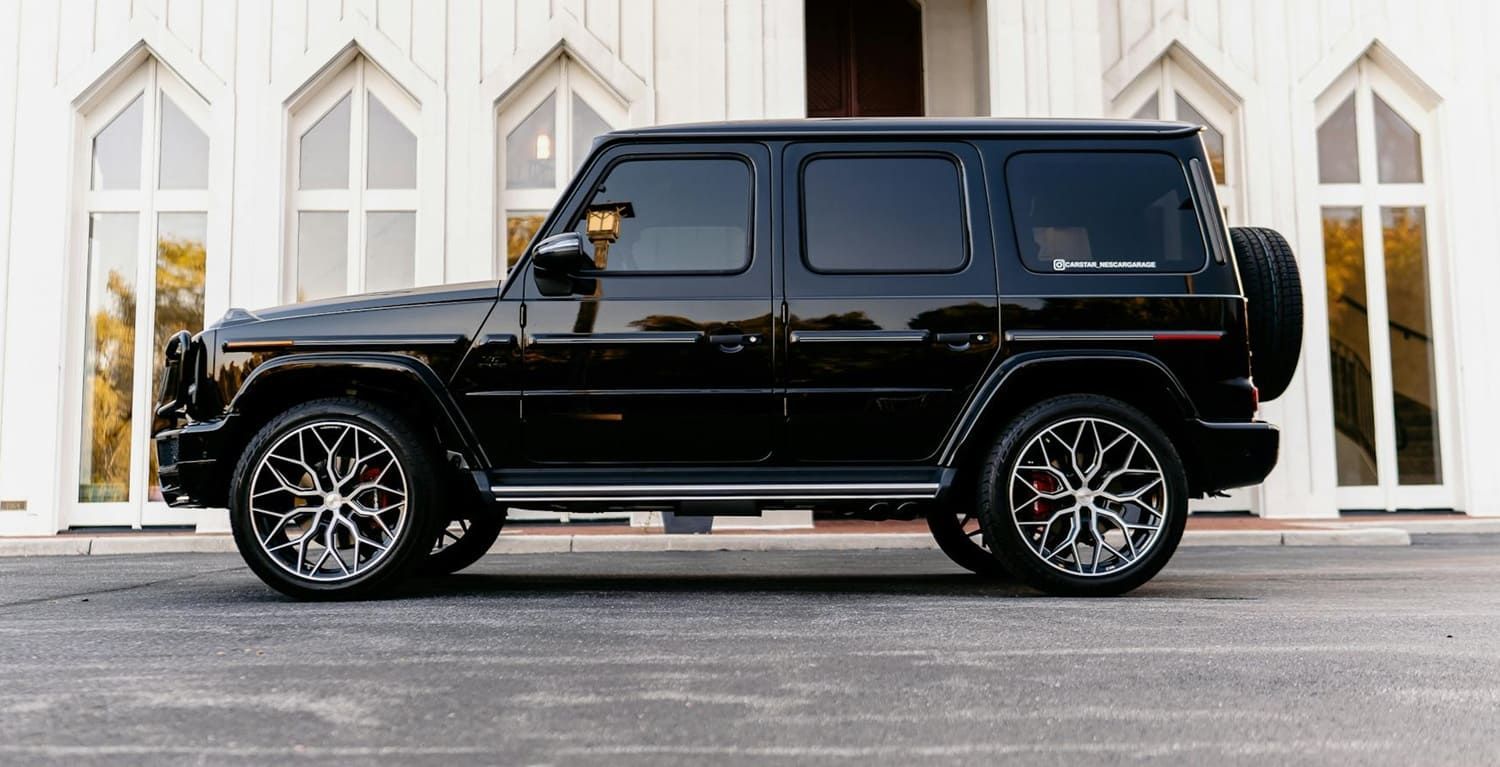
Direct answer: For SUVs, vans, and multipurpose vehicles in Virginia, the front side windows still must be at least 50% VLT . The rear side windows and rear window have no VLT restriction , meaning they can be tinted to any darkness as long as other rules, like reflectivity and color restrictions, are followed.
This is why you often see darker rear windows on SUVs in Virginia Beach and across the region. Drivers who search “window tint laws Hampton Roads” are often deciding between a sedan and an SUV, or they already own an SUV and want to know how dark they can go legally in the back.
Why the vehicle category matters
Virginia draws a legal line between passenger cars and multipurpose vehicles because cabin visibility and intended use differ. The key takeaway for compliance is simple. If your vehicle is classified as an SUV, van, or multipurpose vehicle, you have far more flexibility for privacy and heat control in the rear half of the vehicle, but you still must respect the 50% VLT front window rule.
Practical approach for SUVs in Hampton Roads
- Front windows: Choose a compliant 50% VLT target and verify with a tint meter.
- Rear windows: Choose your preferred privacy level, then prioritize film quality for heat rejection and clarity.
- Match appearance: A premium film can keep the vehicle looking uniform even when the rear shade is darker.
4. Virginia window tint reflection rules and what films are not allowed
Direct answer: In Virginia, side windows may not be more than 20% reflective . Certain highly reflective or mirrored looks can fail this rule. Virginia also prohibits red, amber, and yellow tint colors.
Drivers often focus only on darkness, but reflectivity can be a compliance issue too. If you have ever seen a “mirror tint” look, that film may create excessive reflectivity even when the shade is not extremely dark. That is why choosing reputable film brands and a professional installer matters. They can recommend film options that stay within both VLT and reflectivity limits.
What “20% reflective” means in practice
Reflectivity is about how much light is reflected off the tinted glass. When reflectivity is too high, it can create glare for other drivers and it can make it difficult to see inside the vehicle. Virginia’s reflectivity limit is designed to reduce those safety issues.
Film types and looks that can create problems
- Mirrored appearance films: These are more likely to exceed reflectivity limits.
- Some metallic-looking films: Certain looks can appear reflective and draw attention in traffic.
- Non-compliant colors: Avoid red, amber, and yellow tint colors.
Quick check before you tint
If you are choosing between shops in Hampton Roads, ask a simple question: “Will you verify the final VLT and confirm the film meets Virginia’s 20% reflectivity rule?” A shop that takes compliance seriously will be comfortable answering it.
5. Medical exemptions for darker window tint in Virginia and how to apply
Direct answer: Virginia allows medical exemptions for drivers who need darker tint for a medical condition. The process requires a signed statement from a physician or optometrist submitted to the Virginia DMV. Approved drivers should carry the exemption documentation in the vehicle.
If you have a condition involving photosensitivity or other medically documented reasons, you may qualify. Many drivers search “Can I get a medical exemption for darker window tint in Virginia” because they want both compliance and comfort. A medical exemption is the lawful pathway, but it has to be done properly and documented.
How the exemption process typically works
- Talk to your doctor or optometrist: Ask whether your condition supports a tint exemption statement.
- Submit documentation to the DMV: Follow DMV guidance for the medical waiver or exemption process.
- Carry proof in the vehicle: Keep the exemption certificate available if you are stopped.
Important compliance note
A medical exemption does not automatically make every tint legal. It is still wise to choose quality film, a professional installation, and a shop that understands Virginia’s window tint laws 2026 so you do not end up with a film that creates other issues, such as excessive reflectivity.
6. Penalties for illegal window tint in Virginia and what happens if you get pulled over
Direct answer: Illegal window tint in Virginia can be charged as a misdemeanor. A first offense is commonly a Class 3 misdemeanor , with a fine of up to $500 . Repeat offenses can rise to a Class 2 misdemeanor , with penalties that can include up to 6 months in jail and up to $1,000 in fines. Officers often issue a fix-it order requiring you to correct the tint.
This is the moment most drivers want to avoid. Getting stopped for tint in Virginia Beach or any of the surrounding cities is not just an inconvenience. If you receive a fix-it order, you may have to remove film, pay for replacement, and potentially deal with inspection issues if the tint remains non-compliant.
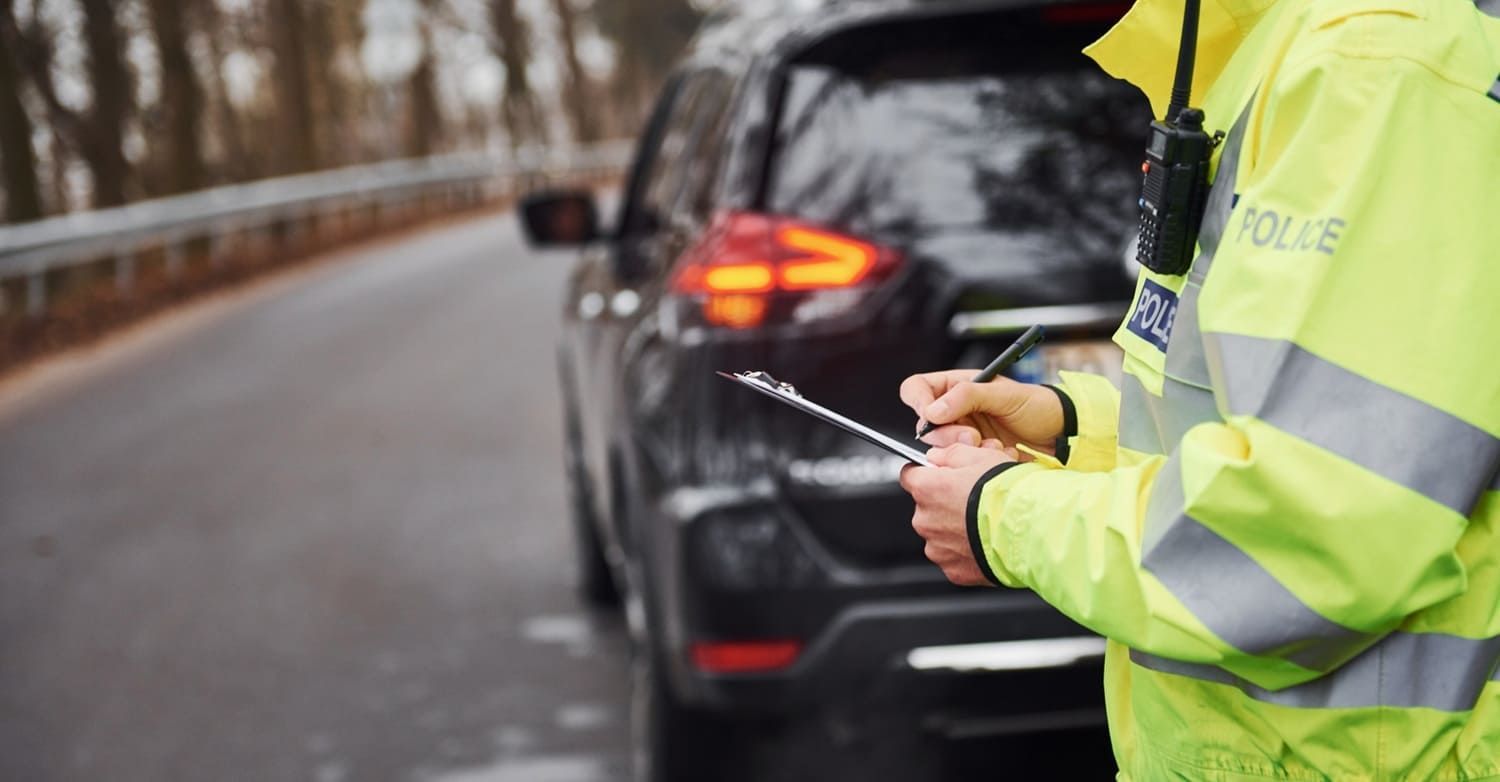
What happens during a typical tint stop
- Initial contact: The officer may mention visibility concerns or equipment compliance.
- Meter reading: A handheld meter may be used to test the glass and film VLT.
- Citation and fix-it order: If the reading is below the legal limit, you may be cited and instructed to correct it.
Why “close enough” is not a strategy
If your front windows meter at 49% VLT, it is still illegal. That is why it is smart to choose a film and installation approach that gives you a compliance buffer. A professional installer can guide you toward a legal target that accounts for factory glass and metering variation.
Does Virginia require a tint certificate or sticker?
Virginia commonly requires a compliance sticker or certificate of installation for window tint, typically provided by the installer. If you are comparing shops, ask whether they provide the appropriate documentation as part of a legal installation package.
7. How to get a legal, high-performing window tint installation in Virginia Beach and Hampton Roads
Direct answer: The safest way to get legal tint is to pick your shade based on the final metered VLT, use a premium film with strong performance at lighter shades, and have it installed by a certified professional who understands Virginia window tint laws 2026.
Many drivers think legal tint means weak tint. That is not true if you choose the right film. Premium films can deliver meaningful comfort benefits, even at lighter, front-window-legal VLT levels. For drivers researching “LLumar window film Virginia Beach,” the key is choosing a product line known for quality, consistent appearance, and professional installation support.
Step-by-step: how to stay compliant and still get performance
- Start with your goals: heat reduction, UV protection, glare control, and privacy.
- Confirm vehicle type: sedan vs SUV or van changes rear window rules.
- Meter the glass before installation: so the final VLT target is accurate.
- Select a legal shade plan: front windows must hit 50% VLT or higher.
- Install cleanly and document it: quality installation improves clarity and longevity.
LLumar film options and Virginia legal limits (structured guide)
Applied Film Technology uses LLumar SelectPro window film products and helps drivers across Virginia Beach, Chesapeake, Norfolk, Hampton, Newport News, and Suffolk choose shades that align with Virginia’s legal limits.
Front side windows (50% VLT minimum):
- Compliant approach: Choose a film option that results in a final metered reading at or above 50% VLT.
- What to ask for: A premium LLumar SelectPro option in a lighter shade designed for strong comfort performance at legal VLT.
Rear side and rear windows:
- For sedans: Choose a film shade that results in at least 35% VLT.
- For SUVs and vans: You can go darker for privacy, while still avoiding overly reflective looks and prohibited colors.
Windshield strip (AS-1 or top 5 inches):
- Compliant approach: Non-reflective visor strip only.
- Benefit: Helps with glare while staying within Virginia rules.
One more structured comparison: matching LLumar shade choices to Virginia rules
- If you want “legal but noticeable” on the front: Ask for a metered plan that lands safely at or above 50% VLT after installation.
- If you want maximum rear privacy on an SUV: Choose darker rear shades since rear windows have no VLT restriction for multipurpose vehicles, then keep the front fully compliant.
- If you drive a sedan and want privacy: Choose a rear shade that stays at or above 35% VLT, then rely on film quality for comfort and UV protection.
Local advice for Hampton Roads drivers
Window tint enforcement can be active in high-traffic areas, near tunnels, and around military facilities. If you want to avoid a tint stop, focus on a legal, documented installation. Ask your installer to verify the final VLT readings and to recommend films that deliver comfort without pushing the limits.
FAQ: Virginia window tint laws 2026
What is the legal window tint limit in Virginia in 2026?
Passenger cars: 50% VLT front side, 35% VLT rear side and rear window, plus a non-reflective windshield strip above the AS-1 line or top 5 inches. SUVs and vans: 50% VLT front side, with no VLT restriction on rear side and rear window.
What does VLT mean and how is it measured for window tint?
VLT stands for Visible Light Transmission. It is the percentage of visible light that passes through the window glass and film together, usually measured with a tint meter.
Can I tint my front windows in Virginia and how dark can they be?
Yes. Front side windows must be at least 50% VLT in Virginia.
Is it legal to tint the windshield in Virginia?
Only a non-reflective strip is allowed at the top of the windshield above the AS-1 line or within the top 5 inches.
What are the window tint rules for SUVs and vans in Virginia?
Front side windows must be at least 50% VLT. Rear side windows and the rear window have no VLT restriction.
Can I get a medical exemption for darker window tint in Virginia?
Yes. Virginia allows medical exemptions with a physician’s or optometrist’s signed statement submitted to the DMV, and proof must be carried in the vehicle.
What happens if I get pulled over for illegal window tint in Virginia?
An officer may meter your windows and issue a citation and a fix-it order requiring you to correct the tint.
How much is the fine for illegal window tint in Virginia?
A first offense can be a Class 3 misdemeanor with fines up to $500. Repeat offenses can increase to a Class 2 misdemeanor with higher penalties.
Does Virginia require a tint certificate or sticker on the window?
Virginia commonly requires a compliance sticker or certificate of installation, usually provided by the installer.
Are reflective or mirrored window tints legal in Virginia?
Virginia limits reflectivity. Side windows may not be more than 20% reflective, so highly mirrored tints may be illegal.
What colors of window tint are illegal in Virginia?
Red, amber, and yellow window tint colors are not legal.
Can I have my windows tinted darker on the rear of my vehicle in Virginia?
Yes. SUVs and vans may have darker rear tint with no VLT restriction. Sedans must keep rear side windows and the rear window at 35% VLT or higher.
How do I know if my current window tint is legal in Virginia?
The most reliable way is to have your windows professionally metered to confirm the combined glass-and-film VLT on each window.
Will legal window tint still block heat and UV rays effectively in Virginia?
Yes. High-quality films can provide strong UV protection and heat rejection even at legal VLT levels.
Why should I choose Applied Film Technology in Virginia Beach for my window tint installation?
Applied Film Technology helps Hampton Roads drivers choose compliant tint shades and installs premium LLumar SelectPro window film for a clean, professional result that follows Virginia tint laws.
Conclusion: Stay legal, stay comfortable in Hampton Roads
Virginia’s window tint laws in 2026 set clear limits that every driver in Hampton Roads should understand before tinting. The key numbers are simple. Front side windows must meet 50% VLT, sedan rear windows must meet 35% VLT, and SUVs and vans can go darker in the rear while still following reflection and color rules. Staying within the legal limits does not mean sacrificing comfort or protection. Quality films like LLumar SelectPro can deliver excellent heat rejection and UV blocking within compliant shade levels.
The smartest way to avoid fines and fix-it orders is to work with a certified professional installer who can meter your windows, recommend the right film, and document your installation. Applied Film Technology is Virginia Beach and Hampton Roads’ trusted LLumar SelectPro dealer, serving Virginia Beach, Chesapeake, Norfolk, Hampton, Newport News, and Suffolk.
Call Applied Film Technology
for a
free estimate
on a legal, high-performing window tint installation:
(757) 517-0611
800 Seahawk Circle Suite 130, Virginia Beach, Virginia 23452