Is Ceramic Window Tint Worth It for Virginia Heat?
Summer heat in Virginia Beach and across Hampton Roads is not just uncomfortable. It lingers for months, brings heavy humidity, and turns parked vehicles, sun-facing living rooms, and glass-heavy spaces into heat traps from June through September. That means hotter cabins, fading interiors, rising cooling bills, and more strain on air conditioning systems. Many homeowners and drivers start looking for window film once they feel that daily heat buildup, but not all tint performs the same in coastal Virginia. Ceramic window tint is often the best window tint for heat because it can reject a high amount of solar energy while staying clear and non-reflective. Still, whether ceramic tint is worth it depends on your budget, the type of glass on your car or home, the level of heat rejection you want, and whether the final installation complies with Virginia window tint laws.
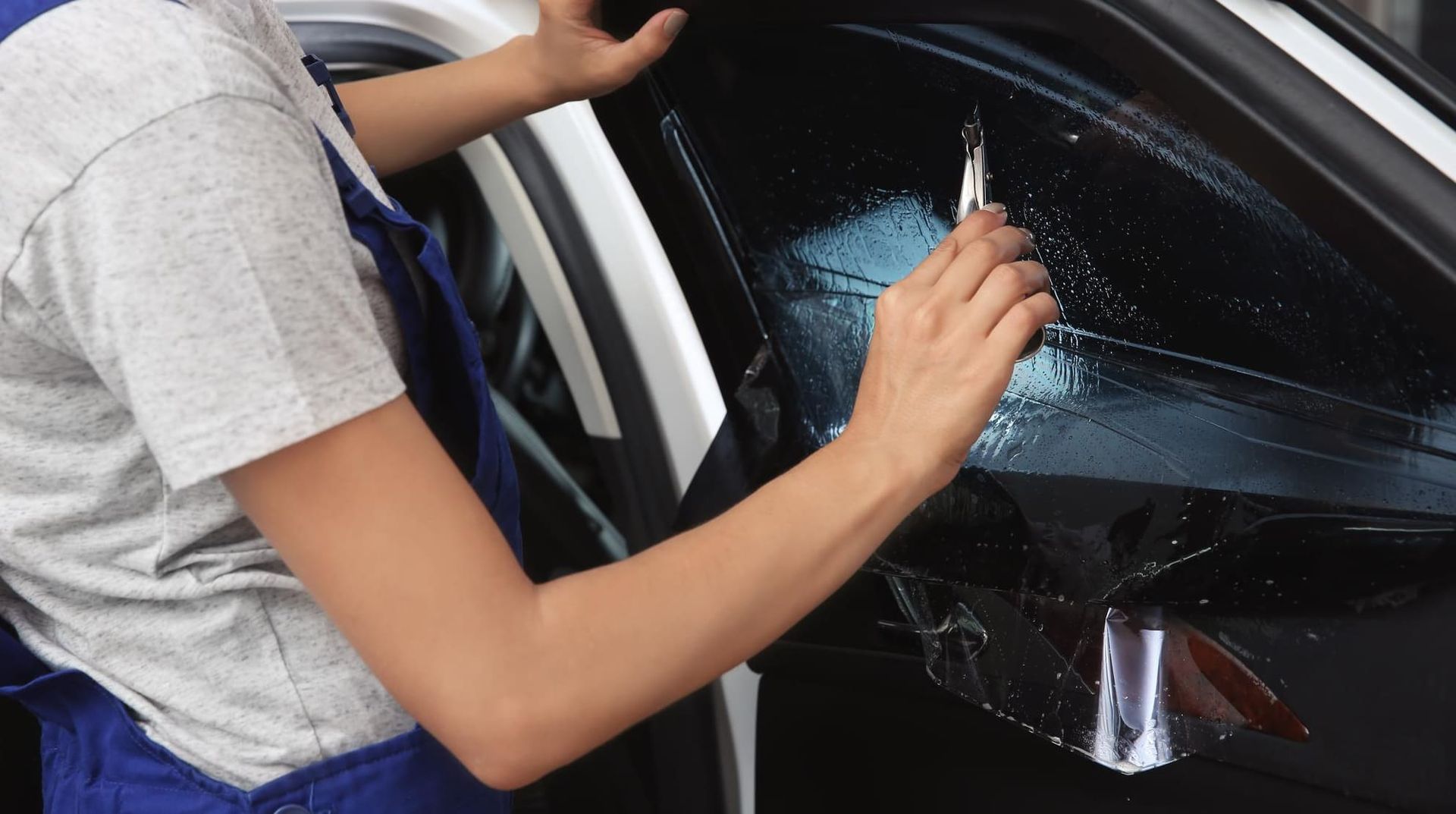
Table of Contents
- What Ceramic Window Tint Is and How It Differs
- How Ceramic Tint Performs in Virginia Heat and Humidity
- Ceramic Tint for Cars in Hampton Roads
- Ceramic Tint for Homes and Energy Savings
- Cost of Ceramic Tint vs Other Film Types
- Virginia Window Tint Laws and Legal Limits
- How Long Ceramic Tint Lasts in Coastal Virginia
- FAQ
- Conclusion
1. What Ceramic Window Tint Is and How It Is Different from Dyed and Metalized Film
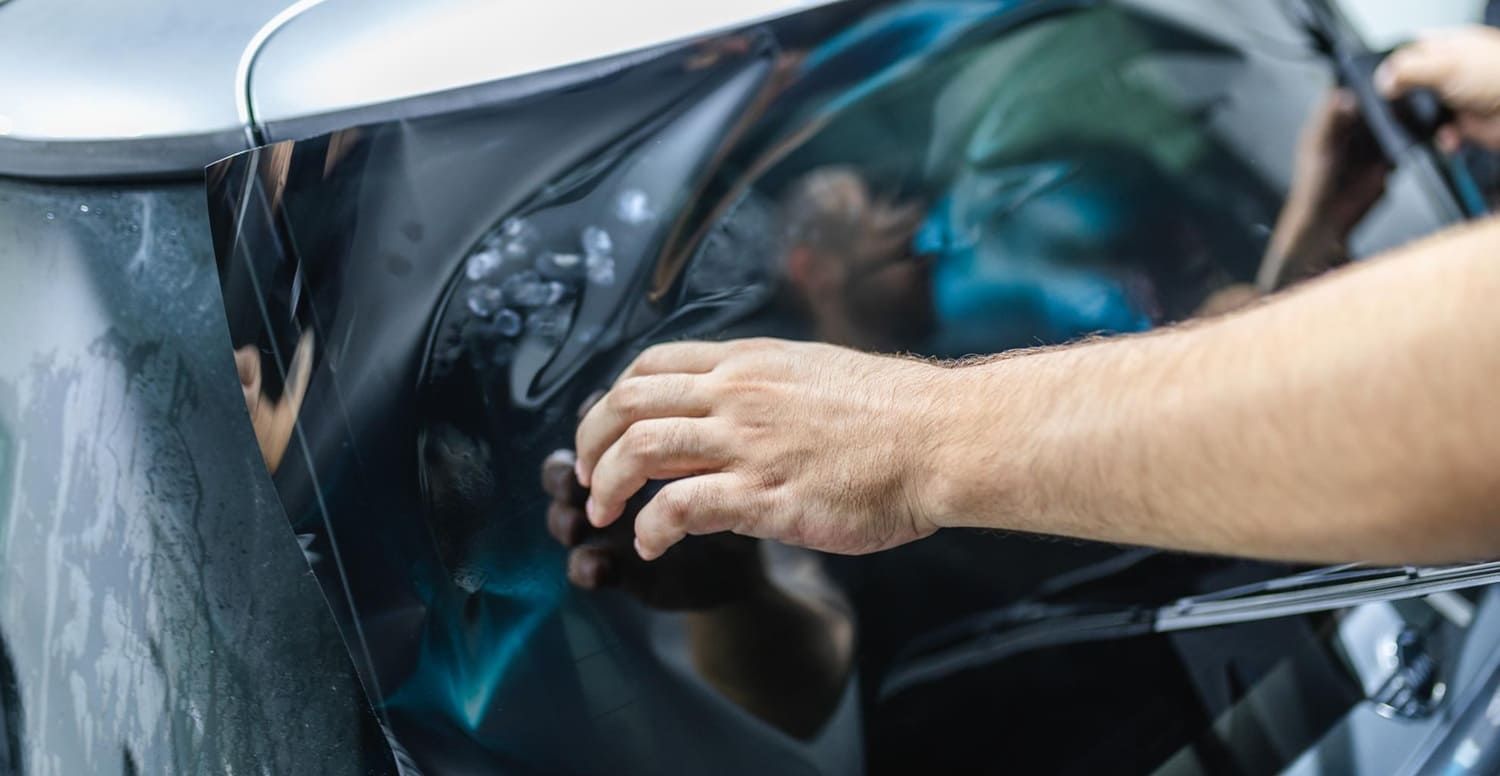
Ceramic window tint is a premium window film made with non-metallic, non-conductive ceramic particles. In plain terms, it is designed to reduce heat and block ultraviolet rays without relying on dark dye alone or reflective metal layers. That matters for both vehicles and homes in Virginia Beach because the goal is not simply a darker look. The goal is to reduce heat with window film in a way that lasts.
Why ceramic tint stands out
The main advantage of ceramic tint is performance. High quality ceramic films are known for stronger infrared heat rejection, excellent UV protection, clear visibility, and minimal signal interference. For drivers, that means GPS, phones, key fobs, and radio signals are generally not disrupted. For homeowners, that means a cleaner appearance and less mirror-like reflectivity than some older films.
How ceramic tint compares to regular tint
When people search ceramic tint vs regular tint, they are usually comparing ceramic to dyed film. Dyed tint is the more budget-focused option. It darkens glass and helps somewhat with glare, but it usually offers less heat rejection and tends to show age faster in harsh sun exposure. Metalized film improves heat performance compared with dyed film, but its metallic layer can create signal issues and a shinier look that some property owners and drivers do not want.
| Film Type | Heat Rejection | UV Protection | Signal Interference | Clarity and Glare Reduction | Average Lifespan | Average Cost per Installation | Best Use Case |
|---|---|---|---|---|---|---|---|
| Ceramic Window Tint | High, often about 40% to 70% total heat rejection depending on film and glass | Excellent, typically up to 99% UV protection | None to minimal | High clarity with strong glare control | 10 years to lifetime on premium products | Highest upfront cost | Auto, home, and commercial when comfort and longevity matter most |
| Dyed Window Tint | Low to moderate, often about 10% to 35% | Good but usually lower than ceramic | None | Good privacy, basic glare reduction | 5 to 8 years | Lowest upfront cost | Budget auto applications and basic appearance upgrades |
| Metalized Window Tint | Moderate to high, often about 20% to 50% | Good to very good | Possible with phone, GPS, and radio | Good glare reduction, more reflective appearance | 8 to 12 years | Mid-range | Auto or commercial settings where reflectivity is acceptable |
For most people researching ceramic window tint Virginia Beach, the short answer is this: ceramic film costs more, but it usually delivers better comfort, better UV protection, and better long-term value in a hot coastal climate.
2. How Ceramic Tint Performs Against Virginia's Heat and Humidity
Yes, ceramic tint is worth serious consideration in Virginia because Hampton Roads summers are long, bright, humid, and demanding on both vehicles and buildings. Heat in this region is not only about air temperature. Solar gain through glass makes cabins and rooms feel hotter, pushes air conditioning systems harder, and creates uneven comfort near windows.
Why the Hampton Roads climate is tough on glass
Virginia Beach, Norfolk, Chesapeake, Hampton, Newport News, and Suffolk all deal with strong summer sun, long daylight hours, and moisture-heavy air. When sunlight hits untreated glass, it can drive interior temperatures up quickly. In a parked vehicle, that can mean a steering wheel, dashboard, and seats becoming painfully hot. In a home, it can mean one room always running warmer than the rest of the house.
What ceramic tint actually does
Ceramic film helps by rejecting a substantial portion of the sun's heat-producing infrared energy while also filtering UV rays that contribute to fading and skin exposure. It does not eliminate all heat, and it does not replace air conditioning or insulation. What it does is reduce the amount of solar energy passing through the glass, making the space easier to cool and more comfortable to use.
This is why ceramic tint is often recommended as the best window tint for heat. It addresses the real source of the problem rather than simply darkening the glass. In humid climates, that added heat control can make day-to-day comfort noticeably better, especially on east- and west-facing windows or vehicles parked outdoors.
Why quality matters
Performance depends on the film line, shade, glass type, and installation quality. Premium products such as LLumar ceramic tint are popular because they are known for clear, non-reflective visibility and durable construction. Exact heat rejection can vary by product and window type, so the best choice should be matched to the vehicle or property rather than selected by darkness alone.
3. Ceramic Tint for Cars: Comfort, UV Protection, and Interior Preservation in Hampton Roads
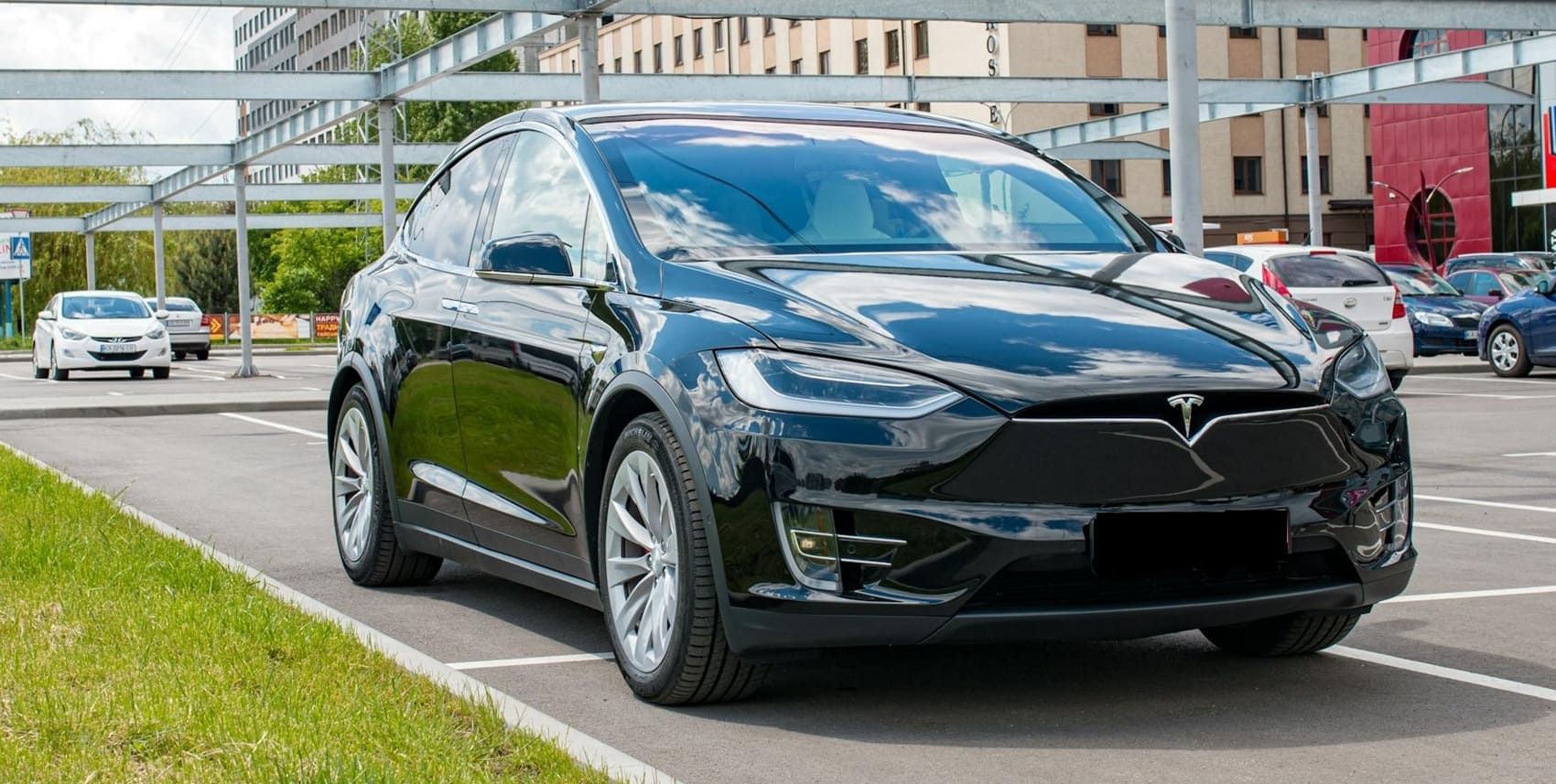
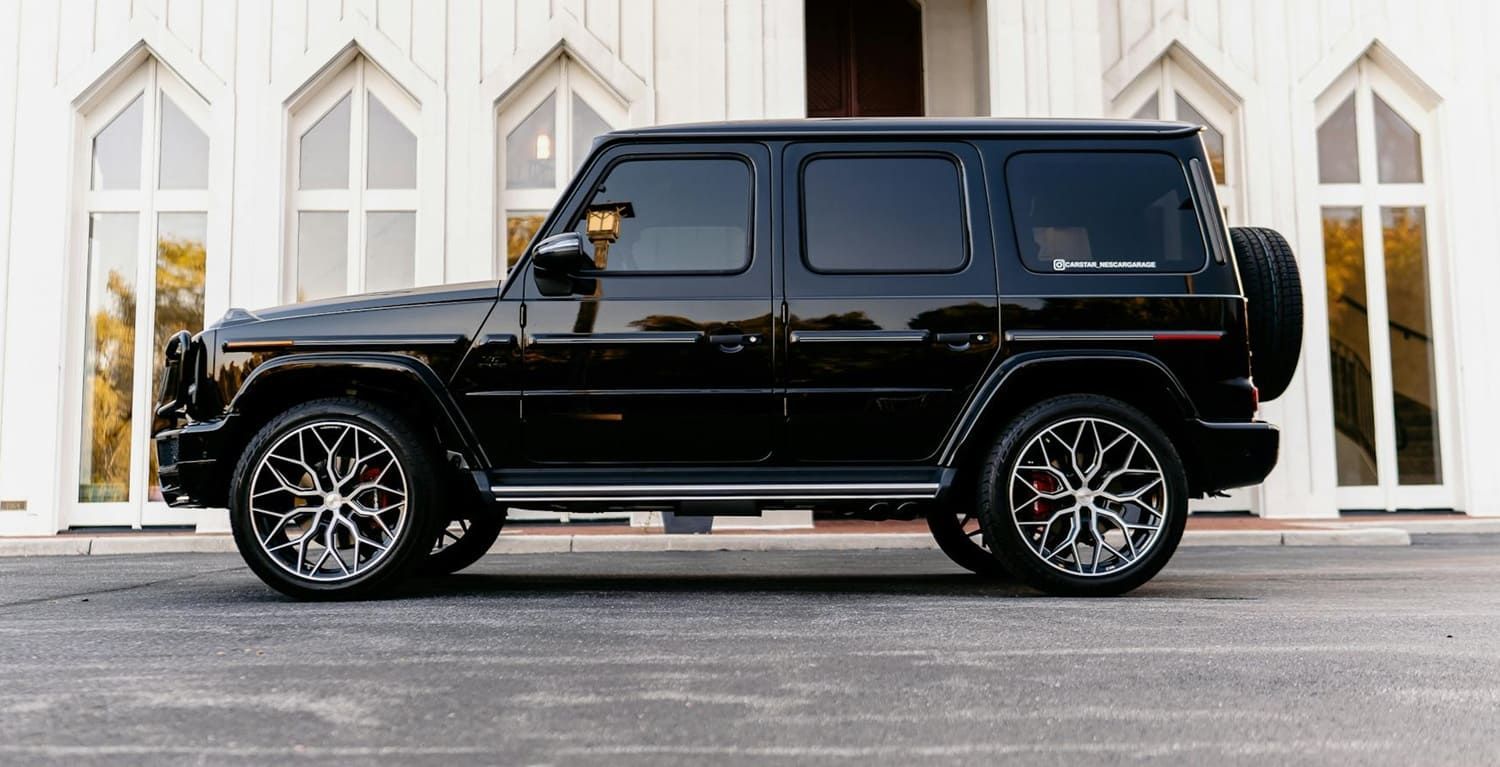
For drivers in Hampton Roads, ceramic tint can provide the most obvious day-to-day payoff. If your car sits in the sun at work, at the beach, or in an open driveway, you will feel the difference quickly.
Cabin comfort and glare reduction
Ceramic tint helps lower the intensity of heat coming through side and rear glass, which can make the cabin more comfortable during commutes and errands. It also reduces glare, which can help with visibility on bright afternoons and when sunlight reflects off water, pavement, or nearby vehicles. In coastal areas like Virginia Beach, that matters more than many drivers expect.
UV protection for skin and interiors
One of the strongest reasons to invest in ceramic film is UV protection. Quality ceramic film can block up to 99% of harmful UV rays. That helps protect drivers and passengers while also slowing fading, cracking, and discoloration on dashboards, leather, vinyl, trim, and upholstery. If you plan to keep your vehicle for years, that preservation adds real value.
LLumar ceramic tint for drivers who want premium performance
Applied Film Technology uses LLumar products, which are widely chosen by vehicle owners who want strong heat rejection without a highly reflective look. LLumar ceramic tint is often appealing because it pairs premium comfort performance with clear visibility and long-term durability backed by a lifetime warranty. That combination matters when your vehicle faces repeated summer exposure in Virginia.
A simple guide to LLumar ceramic options
LLumar ceramic lines such as CTX are typically chosen by drivers who want a refined appearance and better heat management than standard dyed film. Darker shades generally increase privacy and reduce visible light more, while lighter shades preserve a more open appearance and can still provide meaningful solar control. Exact performance varies by shade and glass configuration, so the right option depends on your goals.
| LLumar Ceramic Option | Typical Shade Direction | Heat Control Position | Appearance | Best Fit |
|---|---|---|---|---|
| Light ceramic shade | Higher visible light transmission | Moderate to strong | Clean, subtle, easy to see through | Drivers prioritizing visibility and legal compliance |
| Medium ceramic shade | Balanced visible light transmission | Strong | Balanced privacy and comfort | Most daily drivers in Virginia |
| Darker ceramic shade | Lower visible light transmission | Strong to very strong depending on glass | More privacy and a deeper look | Drivers focused on appearance and sun control where legal |
| LLumar CTX Series | Available in multiple shades | Premium ceramic heat rejection | Non-reflective with strong optical clarity | Drivers wanting premium comfort and long-term value |
If you are asking is ceramic tint worth it for a car, the answer is often yes for Hampton Roads drivers who want better comfort, interior protection, and a film that does not interfere with everyday connectivity.
4. Ceramic Tint for Homes: Lowering Energy Bills and Reducing Solar Heat Gain
Homeowners often notice the same problem in one or two rooms first. Maybe the upstairs bedroom feels warmer than the rest of the home. Maybe the living room gets blasted by afternoon sun. Maybe glare makes it hard to enjoy the view or use a television during peak daylight. Ceramic window film can help address all of those issues while keeping natural light.
How ceramic film helps residential windows
Residential ceramic film reduces solar heat gain by limiting how much heat enters through the glass. That can help rooms feel more stable, reduce hot spots near windows, and lower the cooling load during summer months. Results vary by orientation, square footage, insulation, HVAC efficiency, and the type of window already installed, but many homeowners notice a comfort improvement quickly.
Can ceramic tint lower your energy bill?
It can help, especially in sun-exposed spaces. Window film is not a complete replacement for efficient windows, insulation, or proper air sealing, but it can reduce heat entering the home through existing glass. In a region where air conditioners work hard for much of the summer, that improvement can support lower energy use and a more even indoor temperature.
Important note for double-pane windows
Not every film is right for every residential glass type. Existing double-pane windows, tempered glass, low-E coatings, and specialty glass may require a product matched to the exact window construction. That is why professional recommendation and installation matter. The best result comes from choosing a film designed for that glass rather than assuming any tint will work.
For homeowners comparing window tinting Hampton Roads providers, ceramic film is often the preferred solution when they want to reduce heat with window film but keep a refined appearance without a mirrored exterior.
5. Cost of Ceramic Tint vs Other Film Types: Is the Investment Worth It?
Ceramic tint usually has the highest upfront price, but the real question is not just cost. It is value over time. A lower-priced film can look attractive at first, but if it underperforms in heat, fades earlier, or needs replacement sooner, it may not be the best investment.
What affects the price
Vehicle size, number of windows, window shape, film line, shade choice, and installation complexity all affect cost. Residential pricing also depends on pane count, glass height, accessibility, and whether specialty film is required. That is why estimates vary from project to project.
When ceramic is worth the extra money
Ceramic tint is usually worth the extra cost when comfort is a high priority, when the property or vehicle gets heavy sun exposure, when you want stronger UV protection, or when you plan to keep the car or home long term. The more often you deal with heat buildup, glare, fading, and cooling costs, the stronger the case for upgrading from dyed film.
When a lower-cost film may be enough
If the goal is basic privacy or appearance on a tight budget, dyed tint may still be a reasonable option. But for those specifically researching the best window tint for heat, ceramic is typically the better answer. It is built for performance, not just looks.
In short, is ceramic tint worth it? For many Virginia Beach homeowners and drivers, yes. The long-term value comes from comfort, protection, durability, and fewer compromises.

6. Virginia Window Tint Laws and What Is Legal for Ceramic Film
Ceramic film still has to follow Virginia law. The fact that a film is ceramic does not make it automatically legal at any darkness level. Shade selection should always be matched to the legal limits for the specific vehicle and window position.
Key point to understand
Virginia window tint laws regulate visible light transmission and related requirements, not whether the film is ceramic, dyed, or metalized. That means you can choose ceramic technology, but the installed shade still must comply with the applicable legal standard.
Why professional guidance matters
A knowledgeable installer helps drivers choose a ceramic film that balances comfort, appearance, and legal compliance. This is especially important if the vehicle already has factory-tinted rear glass, because the combined darkness can affect the final result.
For homeowners
Residential window film is not governed the same way as automotive tint laws, but product selection still matters for glass compatibility, exterior appearance, and performance expectations. A home-focused recommendation should be based on the actual window construction and sun exposure pattern.
If your goal is maximum comfort with minimum risk, ask for a solution that is both high performing and selected with Virginia legal limits in mind.
7. How Long Ceramic Tint Lasts and What Affects Its Lifespan in Coastal Virginia
High quality ceramic tint can last a very long time. On premium products, lifespan is often measured in many years, and some are backed by a lifetime warranty. That makes ceramic one of the strongest long-term choices for Virginia's climate.
Why ceramic tends to last longer
Because ceramic films do not depend on dyed layers alone, they are generally more stable against fading and performance decline. Premium construction, strong adhesives, and professional installation all help the film hold up better under sun exposure.
What affects longevity in coastal Virginia
Several factors influence lifespan: direct sun intensity, salt-air exposure near the coast, how often the vehicle is parked outside, the quality of the original installation, window cleaning habits, and the film brand itself. Cheap film and poor installation are far more likely to lead to bubbling, peeling, haze, or premature wear.
How to protect your investment
Choose a reputable installer, follow curing instructions, and use safe cleaning methods. For homes, make sure the film is specifically recommended for the window type. For vehicles, avoid assuming darker always means better. The right film, properly installed, usually performs better and lasts longer than a darker but lower-quality alternative.
For coastal Virginia conditions, durability is one of the biggest reasons homeowners and drivers step up to LLumar ceramic tint.
FAQ: Ceramic Window Tint in Virginia Beach and Hampton Roads
Does ceramic tint really block more heat than regular tint?
In most cases, yes. Ceramic film is generally better at rejecting heat than basic dyed tint because it is engineered for solar performance rather than appearance alone.
How much does ceramic window tint cost in Virginia?
Pricing varies by vehicle, home window count, film line, and installation complexity. Ceramic tint costs more upfront than dyed film, but many buyers consider the extra comfort and durability worth it.
Is ceramic tint legal in Virginia for cars?
Yes, ceramic tint can be legal in Virginia as long as the installed shade meets the state's visible light transmission rules for the specific windows.
How long does ceramic window tint last?
High quality ceramic tint can last for many years and premium products may carry a lifetime warranty when professionally installed.
Will ceramic tint fade or bubble over time in humid climates?
Quality ceramic film is more resistant to fading and failure than lower-grade film, but lifespan still depends on film quality, installation, and maintenance.
Can ceramic tint lower my home's energy bill?
It can help by reducing solar heat gain through glass, especially in sunny rooms that drive cooling demand during summer.
What percentage of heat does ceramic tint block?
The answer depends on the specific film, shade, and glass type. Many ceramic films offer strong solar heat rejection, often significantly more than dyed tint.
Is ceramic tint worth the extra cost over dyed film?
For many homeowners and drivers in Hampton Roads, yes. The added value usually comes from better comfort, better UV protection, and a longer service life.
Does ceramic tint interfere with GPS or phone signal?
Generally no. Because ceramic film is non-metallic, it is chosen in part for minimal signal interference.
Can ceramic tint be applied to existing double-pane windows?
Often yes, but the film must be matched to the window type. A professional assessment is important before residential installation.
How dark can I legally tint my car windows in Virginia?
That depends on the window location and vehicle type. The safest approach is to choose a ceramic shade based on current Virginia legal limits rather than guessing by appearance.
How soon will I notice a difference in comfort after installation?
Many people notice the comfort improvement as soon as the film has cured enough for normal use, especially in direct sun exposure.
Conclusion: Is Ceramic Window Tint Worth It for Virginia Heat?
For many homeowners and vehicle owners in Virginia Beach, Norfolk, Chesapeake, Hampton, Newport News, and Suffolk, ceramic window tint is absolutely worth considering. It outperforms lower-end film types where it matters most in Virginia's climate: heat rejection, UV protection, visual clarity, and long-term durability. Instead of choosing tint based on darkness alone, the better approach is to choose a film that can improve daily comfort, help preserve interiors, support energy efficiency, and hold up through years of hot, humid summers.
Applied Film Technology uses LLumar products because they offer premium ceramic performance, clear non-reflective visibility, reliable UV protection, and long-term durability backed by a lifetime warranty. If you are ready to compare options for your vehicle or home, contact Applied Film Technology for a free estimate on ceramic window tint installation in Virginia Beach and the greater Hampton Roads area.