Ceramic vs Carbon Tint: Which Film Should You Choose in Virginia Beach?
Shopping for window tint in Hampton Roads eventually leads to the same crossroads: ceramic or carbon? Both technologies promise better heat rejection than old-school dyed film, both look sharp, and both are marketed as "premium" upgrades — which makes the decision genuinely confusing if you don't know what's actually different under the hood. This guide breaks down how ceramic and carbon film really compare, what each one is best suited for, and which option Applied Film Technology recommends for Virginia Beach, Norfolk, Chesapeake, Hampton, Newport News, and Suffolk drivers who want the best long-term value.
Why This Comparison Trips People Up
Both ceramic and carbon film emerged as upgrades over older dyed and metallized tint, and both are frequently marketed side-by-side as "non-metallized, next-generation" film. That overlapping language is exactly why the two get confused. The real differences come down to the particles embedded in the film and how effectively each one blocks infrared heat, resists fading, and holds up over years of sun exposure — which matters enormously in a coastal climate like Hampton Roads, where cars sit in direct summer sun for hours at a time.
What Is Carbon Window Tint?
Carbon tint uses matte carbon particles embedded in the film layer. It was developed as a step up from dyed film, offering a rich, non-reflective charcoal finish along with noticeably better heat rejection than basic dyed options. Carbon film also doesn't fade the way dyed film can over time, since carbon particles are more stable than dye pigments under UV exposure.
Strengths of carbon film:
- Attractive matte, non-shiny finish
- Better heat rejection than dyed film
- More fade-resistant than dyed film
- No signal interference (metal-free)
Limitations of carbon film:
- Heat rejection is solid, but not as strong as ceramic
- Blocks less infrared radiation than nano-ceramic technology
- Generally considered a mid-tier option rather than a top-tier one
What Is Ceramic Window Tint?
Ceramic tint uses nano-ceramic particles, a more advanced technology engineered specifically to target and block infrared radiation — the wavelength most responsible for the heat you actually feel in a parked or moving vehicle. Because ceramic particles are non-conductive and metal-free, ceramic film also has zero interference with phone signals, GPS, keyless entry, or satellite radio, which is a genuine advantage for daily drivers who rely on connected devices.
At Applied Film Technology, this is the technology behind LLumar's IRX Series and CTX Series, the brand's top two automotive film options for customers who want maximum comfort and long-term performance.
Strengths of ceramic film:
- Strongest available infrared heat rejection
- More than 99% UV protection
- Zero interference with electronics or signals
- Excellent color stability and fade resistance over time
- Backed by a manufacturer's lifetime limited warranty
Limitations of ceramic film:
- Higher price point than carbon or dyed film
- The performance difference vs. carbon may feel marginal to drivers who aren't dealing with extreme heat
Ceramic vs. Carbon: Side-by-Side Comparison
| Feature | Ceramic Tint (LLumar IRX/CTX) | Carbon Tint |
|---|---|---|
| Heat Rejection | Excellent infrared heat rejection | Good heat rejection |
| UV Protection | 99%+ on premium films | High, depending on the film |
| Signal Interference | None (metal-free) | None with non-metallic films |
| Color Stability | Excellent long-term stability | Good fade resistance |
| Optical Clarity | Excellent | Very good |
| Finish | Charcoal, factory-style appearance | Matte, non-reflective charcoal |
| Typical Price Point | Premium | Mid-range |
| Best For | Maximum heat and UV performance | Strong performance at a more moderate cost |
Which One Should You Choose for Hampton Roads Driving?
1. If Heat Rejection Is Your Top Priority
Virginia Beach summers bring plenty of direct sun, especially for anyone commuting along I-264 or spending time near the oceanfront. If your main goal is the coolest possible cabin and the strongest UV protection, ceramic film — specifically LLumar's IRX Series — delivers the best performance available.
2. If You Want a Meaningful Upgrade at a More Moderate Price
Carbon film is a legitimate step up from dyed tint and performs noticeably better in daily use, without the premium price tag of top-tier ceramic. It's a solid choice for drivers who want better heat control and a richer look without maximizing every performance metric.
3. If Signal Interference Is a Concern
Both ceramic and carbon are metal-free, so neither will interfere with your phone, GPS, or keyless entry — this is one area where the two technologies are equally strong, unlike older metallized film.
4. If Long-Term Durability Matters Most
Ceramic film generally holds its color and clarity longer than carbon film, which matters if you plan to keep your vehicle for many years. LLumar's ceramic lines come backed by a manufacturer's lifetime limited warranty against fading, bubbling, and cracking.
What About Virginia's Tint Laws?
Regardless of which film technology you choose, Virginia law sets limits on how dark you can legally go. Front side windows must allow more than 50% VLT (visible light transmission) on sedans, while back side windows and the rear window must allow more than 35% VLT. SUVs and vans have more flexibility, allowing any darkness on rear windows, though front windows are still capped at 50% VLT. These limits apply the same way whether you choose ceramic or carbon film, so your decision comes down to performance and budget rather than legal darkness restrictions.
Getting Your Tint Installed the Right Way
Film technology only tells half the story — installation quality determines how well any film performs and how long it lasts. Applied Film Technology's process for Hampton Roads customers typically includes:
- Free estimate. Share your vehicle details and let the team walk you through ceramic vs. carbon options based on your priorities.
- Film selection. Choose from LLumar's IRX, CTX, ATR, ATC, or AIR Series depending on performance needs and budget.
- Old tint removal (if needed). Existing film is fully stripped to avoid bubbling or inconsistent shading under new tint.
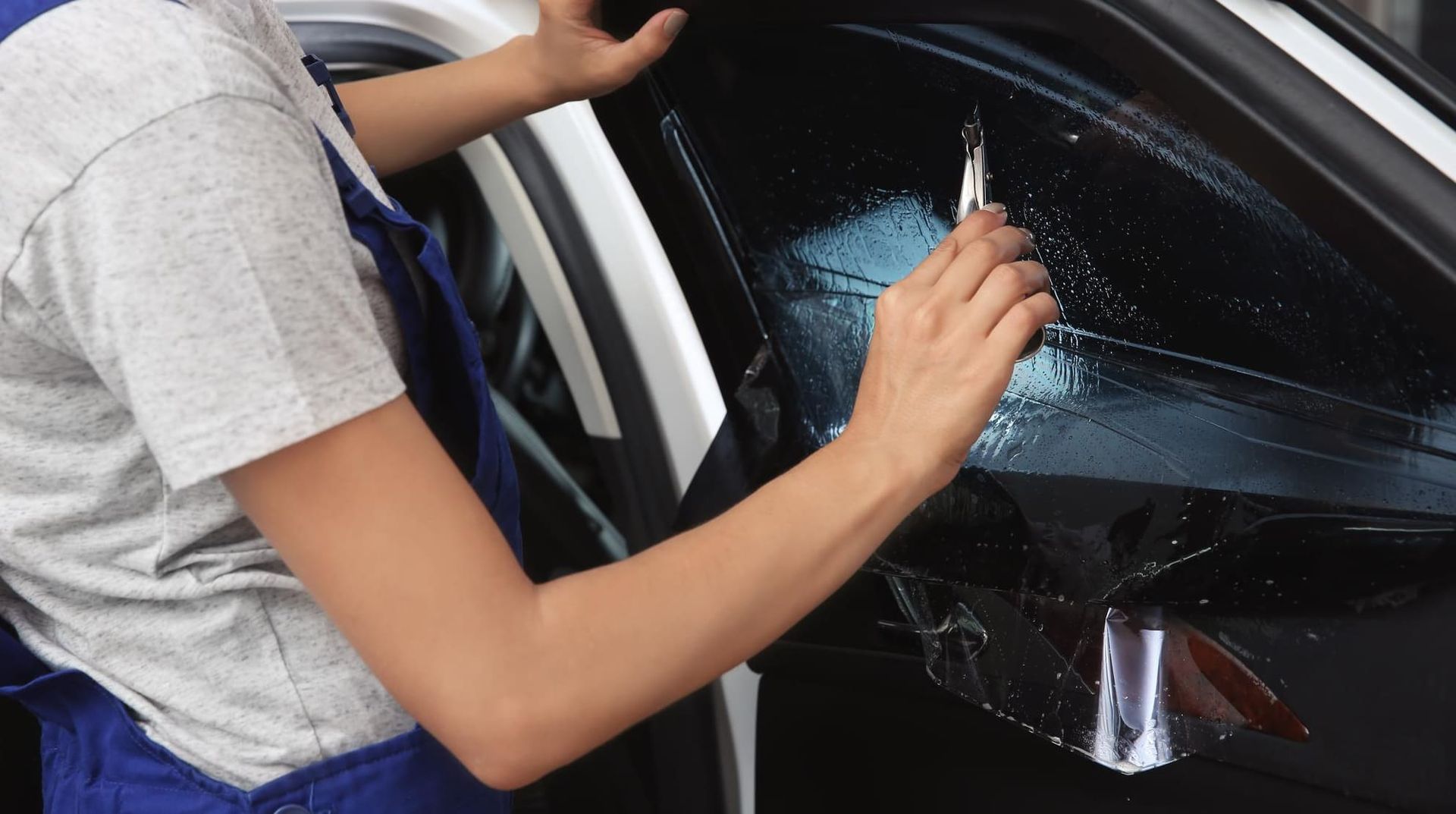
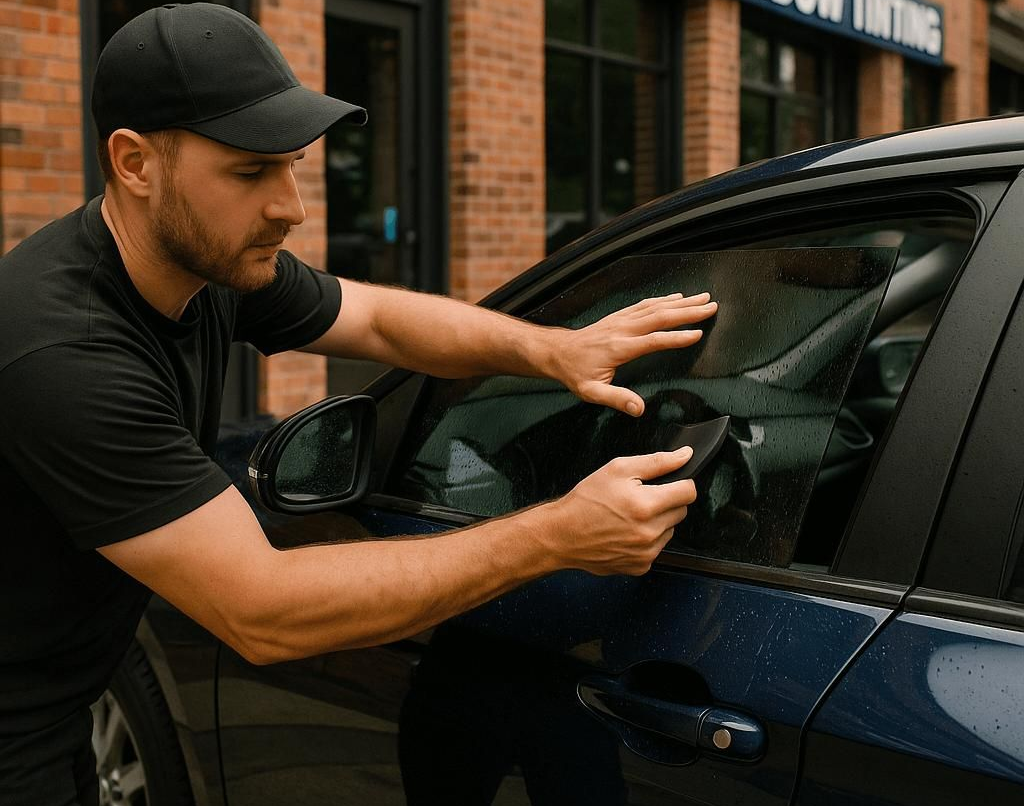
- Professional installation. Expert technicians apply the film using precision techniques for a clean, bubble-free finish.
- Lifetime warranty coverage. LLumar automotive film installations are backed by a manufacturer's lifetime warranty against color change, bubbling, and cracking.
Frequently Asked Questions
Is ceramic tint better than carbon tint?
For maximum performance, premium ceramic tint generally offers stronger infrared heat rejection and excellent long-term color stability compared with carbon tint. Carbon remains a solid, more budget-friendly upgrade over basic dyed film.
Does carbon tint interfere with phone or GPS signals?
Non-metallic carbon tint generally does not interfere with cell signals, GPS, Bluetooth, or keyless entry systems. Always check the specifications of the specific film because construction can vary by manufacturer.
Which film lasts longer, ceramic or carbon?
Premium ceramic film generally provides excellent long-term color stability and fade resistance. Carbon film can also be durable and more fade-resistant than traditional dyed film, but performance depends on the specific product and installation quality.
Is carbon tint a good budget alternative to ceramic?
Yes. Carbon film can provide good heat rejection, a rich matte appearance, and better durability than basic dyed film at a more moderate price. It can be a good middle-ground option for drivers who do not need the maximum performance of premium ceramic film.
What's the darkest legal tint in Virginia?
For most passenger vehicles, Virginia requires front side windows to allow at least 50% total light transmission and rear side and rear windows to allow at least 35%. Multipurpose passenger vehicles and pickup trucks have additional flexibility for rear windows under Virginia law. Always verify the final VLT of the glass-and-film combination before installation.
Does Applied Film Technology offer ceramic and carbon window tint?
Applied Film Technology is an Authorized LLumar Dealer serving Hampton Roads and offers multiple LLumar film technologies, including ceramic options such as IRX and CTX. LLumar's ATC Series is a color-stable dyed film rather than a carbon film, so customers specifically seeking carbon technology should confirm current product availability with Applied Film Technology.
Ready to Choose the Right Film for Your Vehicle?
Whether you prioritize maximum heat rejection or a moderate upgrade that still performs well in Hampton Roads heat, Applied Film Technology can walk you through the real differences between ceramic and carbon options in person. As an Authorized LLumar Dealer serving Virginia Beach, Norfolk, Chesapeake, Hampton, Newport News, and Suffolk, every installation is backed by a manufacturer's lifetime limited warranty.
Call (757) 517-0611 or request
a
free estimate online to find the right film for your vehicle and driving habits.